01 — Coastal Kutch
Mandvi
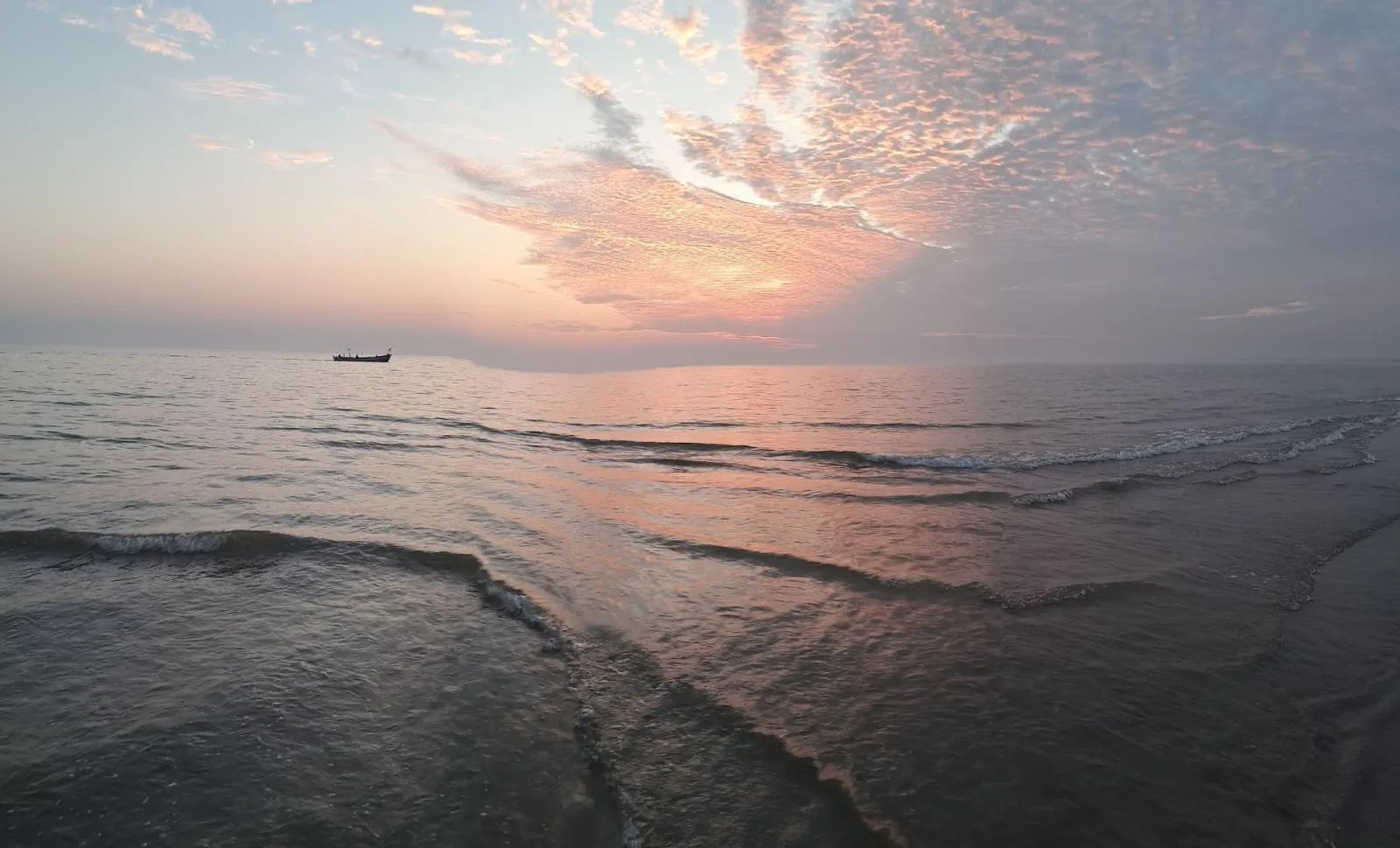
Shipbuilders' town, royal beach palace, wind turbines, and golden sunsets
Read the guideKutch, where every road tells a story
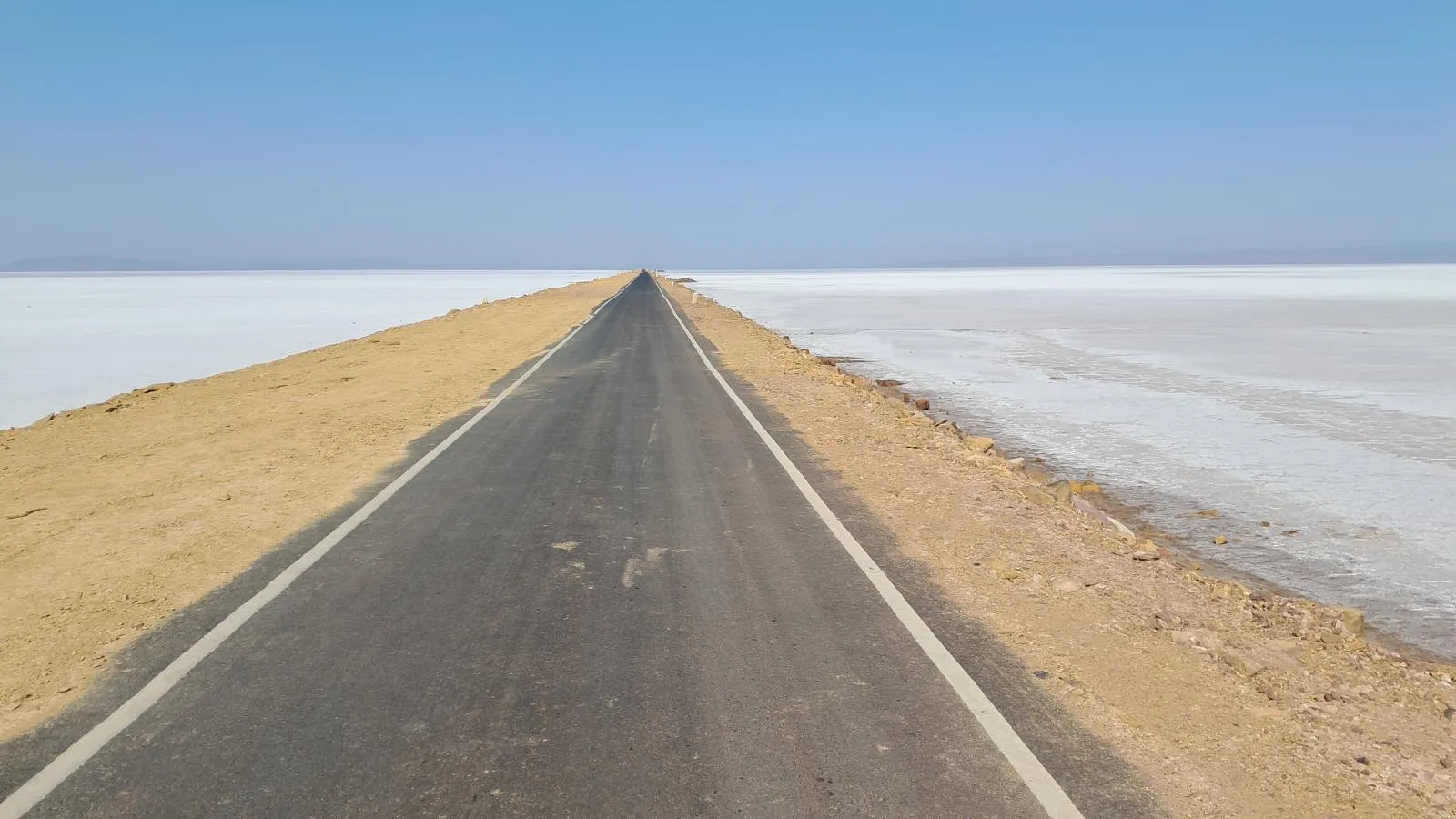
Plan a trip around Bhuj, Mandvi, the White Rann, Dhordo and Dholavira.
Shipbuilders' town, royal beach palace, wind turbines, and golden sunsets
Read the guide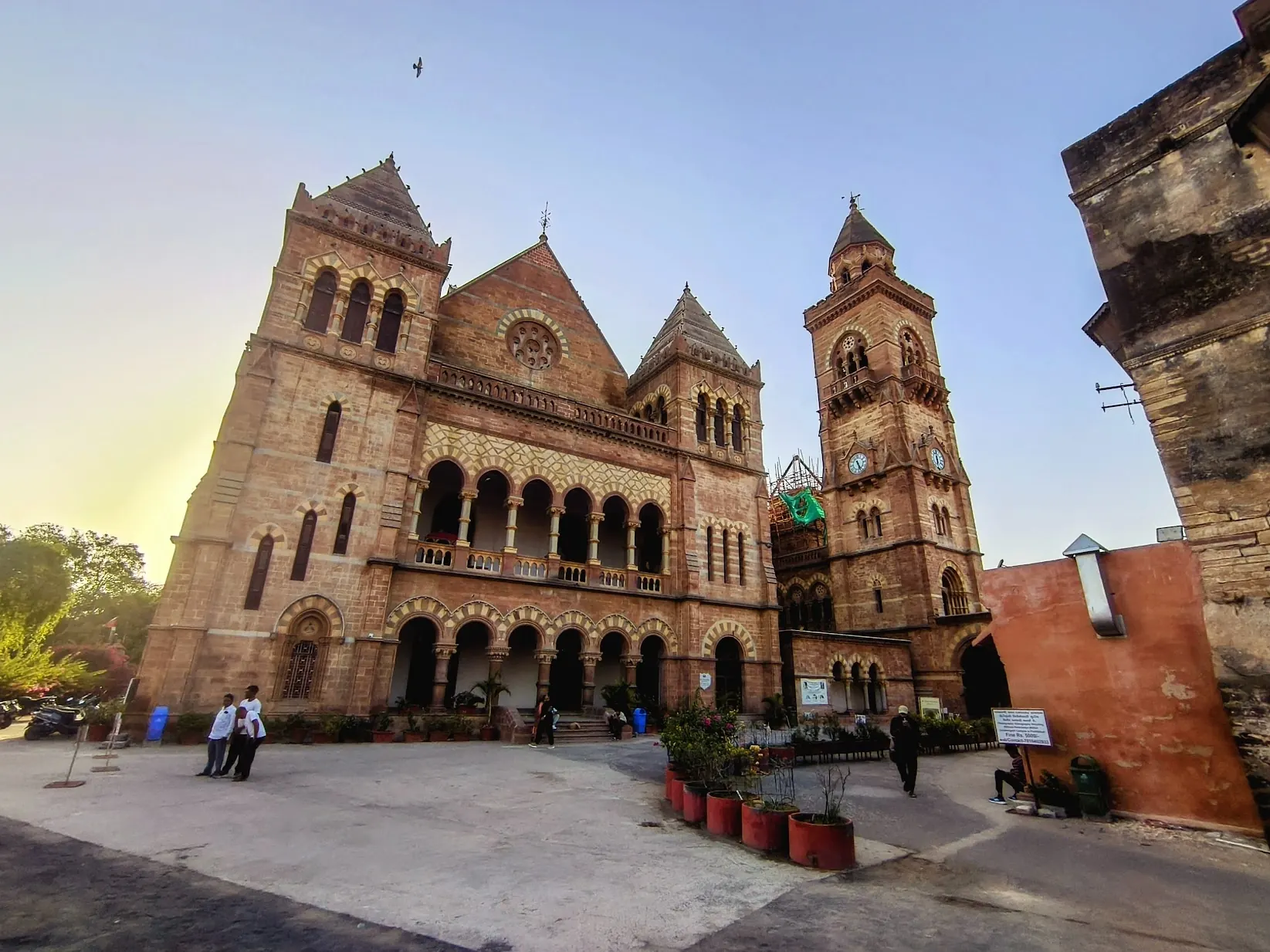
The walled capital — palaces, bazaars and the gateway to everything
Read the guide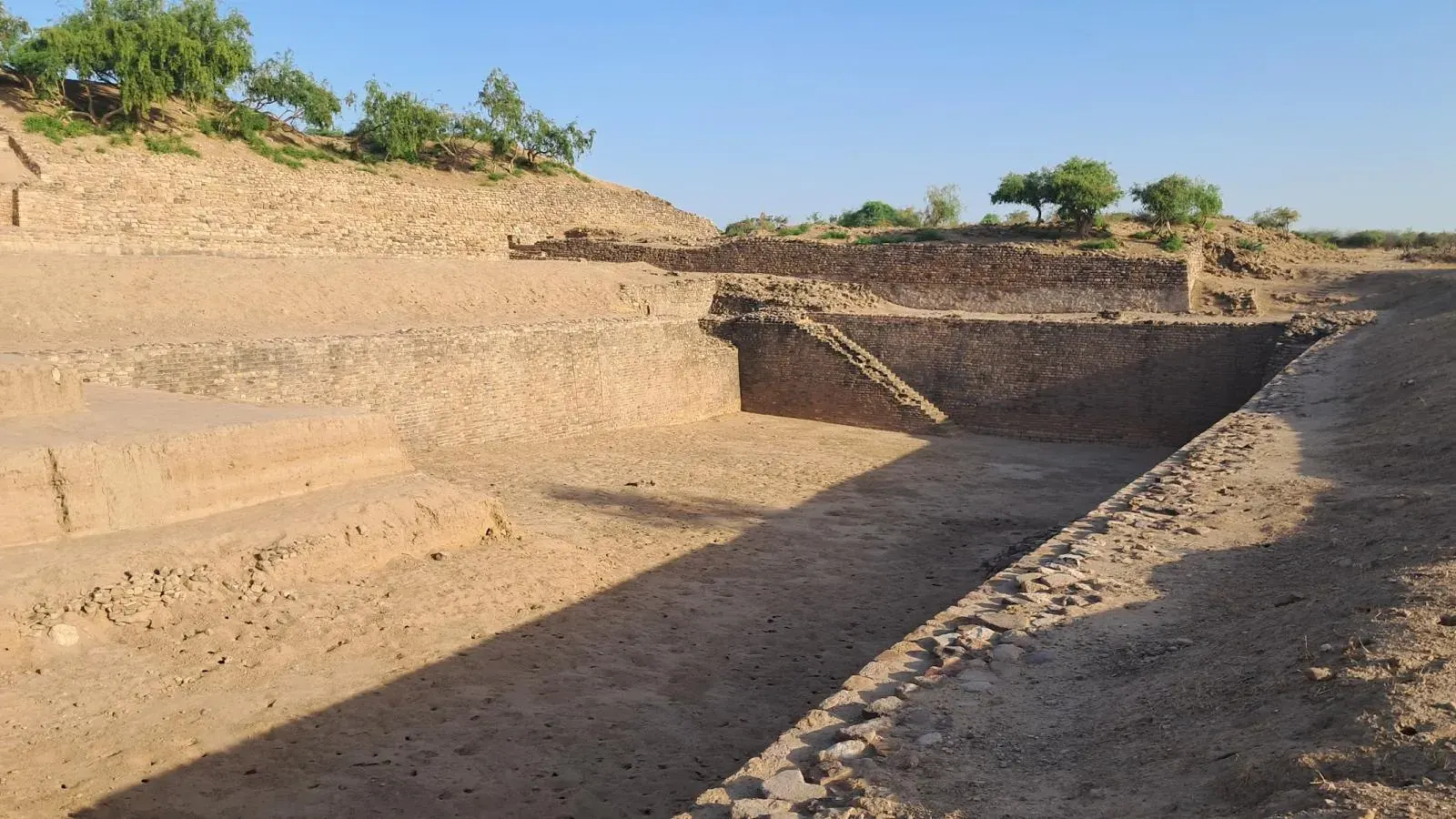
A 4,500-year-old Harappan metropolis on an island in the salt desert
Read the guideSalt desert in the north, Harappan ruins in the east, shipyards and beaches on the southern coast. Click a marker on the map to go to that place.
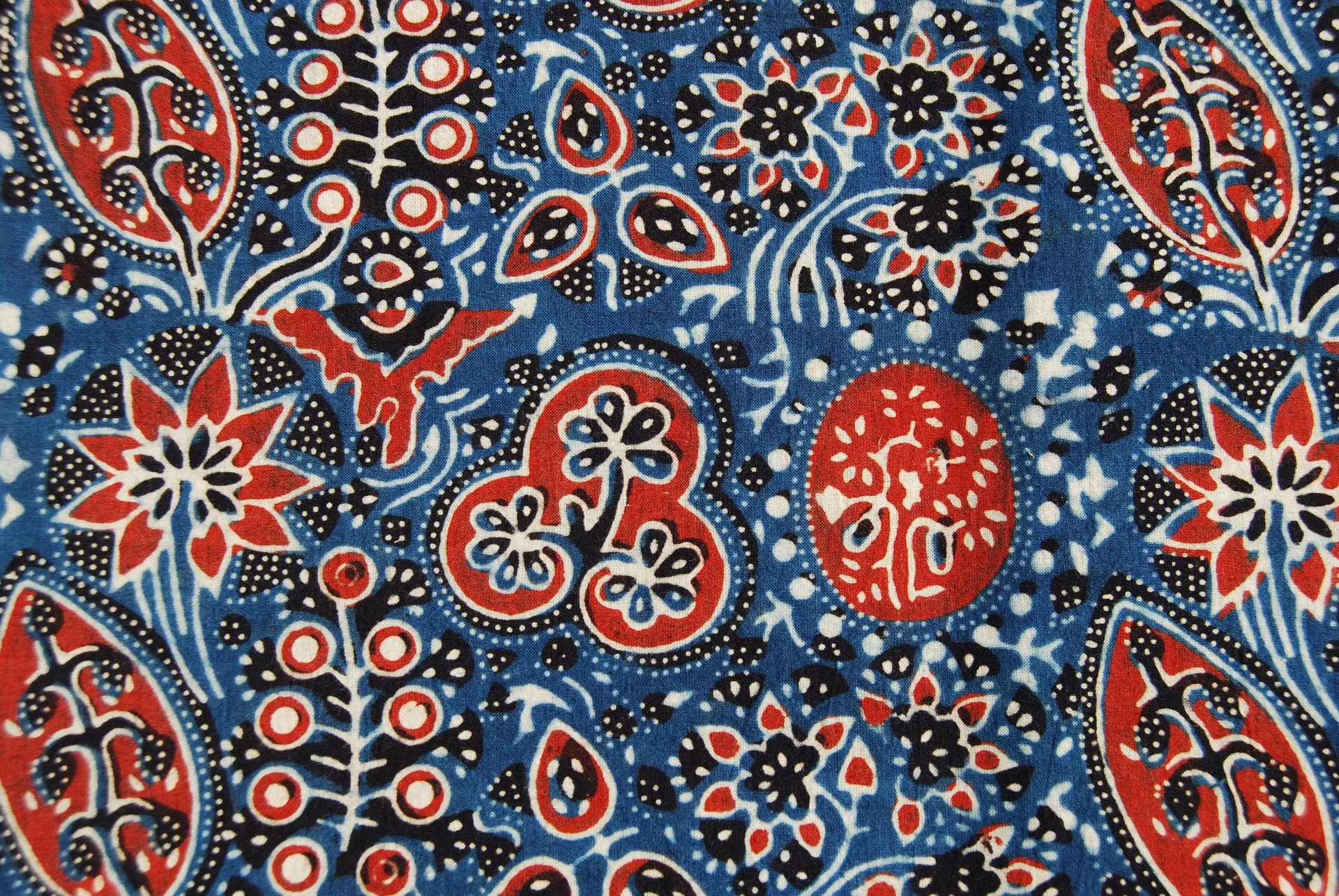
Sixteen stages of indigo, madder and river water
Ajrakh is resist block-printing at its most demanding: cloth is washed, treated, printed and dyed up to sixteen times over weeks, building constellations of indigo and deep madder red. The Khatri printers of Ajrakhpur trace the craft through ten generations to Sindh, and every true ajrakh still needs a river's worth of patience.
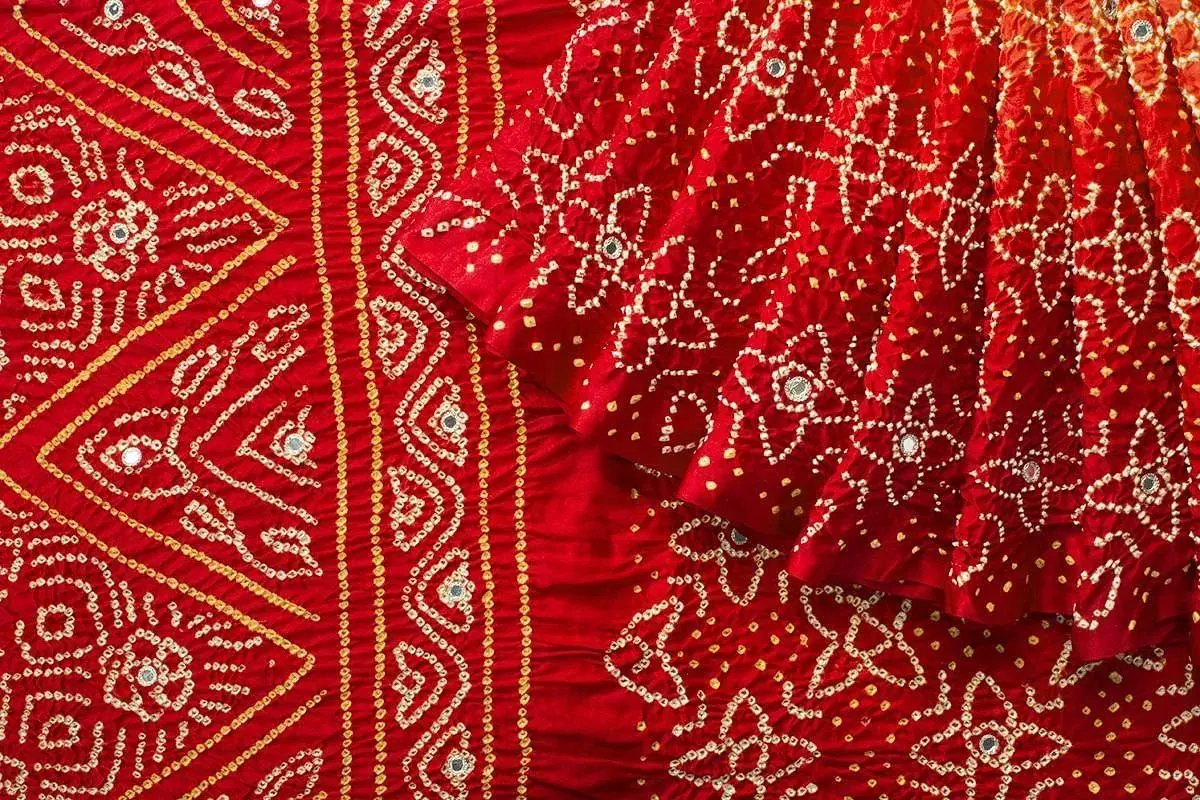
Ten thousand knots, one shake of the cloth
Bandhani is tie-dye elevated to mathematics. Women pinch and bind thousands of points of fine cloth with thread — fingernails grown long for the purpose — before dyers plunge it into crimson, yellow and green. When the threads are pulled, the pattern blooms: dots in waves, elephants, dancing figures. A single wedding gharchola can carry twelve thousand knots.
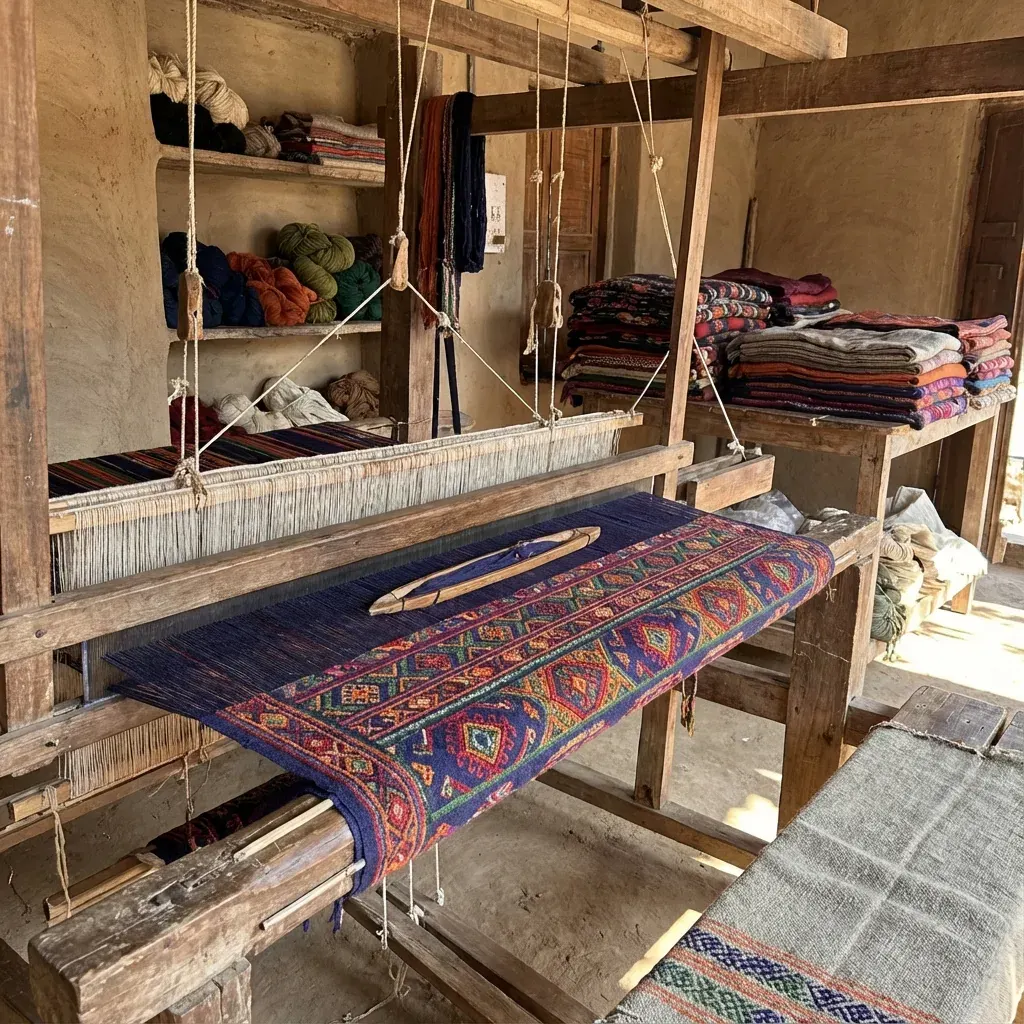
Shawls that carry the desert's geometry in wool
Bhujodi, twenty minutes from Bhuj, is a village of pit looms. The Vankar weavers turn local sheep and camel wool into shawls and stoles whose extra-weft motifs — temple spires, chaumukh diamonds, mirrored borders — were once woven to order for specific pastoral communities, each pattern a dialect. Today national-award-winning weavers work the same looms, and you can watch a shawl grow thread by thread.
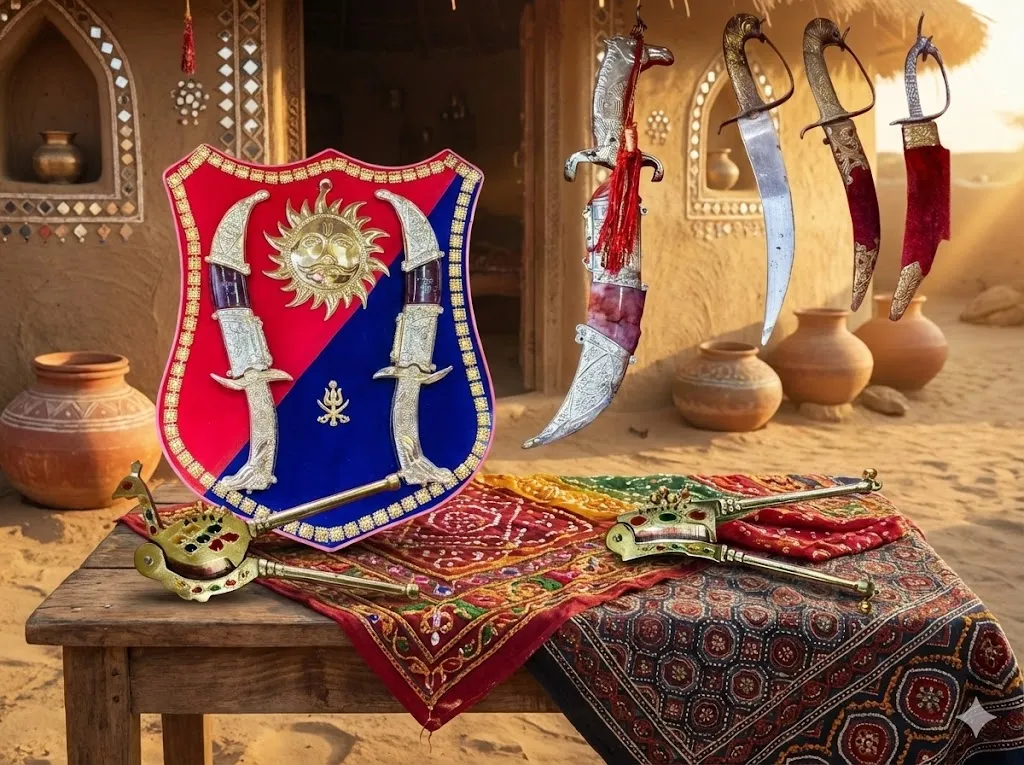
Bells tuned by hammer and ear, one note at a time
The Lohar families of Nirona and Zura make bells the way their ancestors did for the herders of Sindh: scrap iron shaped by hand, coated in copper and brass, fired in a smoky kiln — and then tuned. The maker taps, listens, bends and taps again until the bell sings the note he wants. Herders once ordered bells in different pitches to tell their animals apart across a dark grassland.
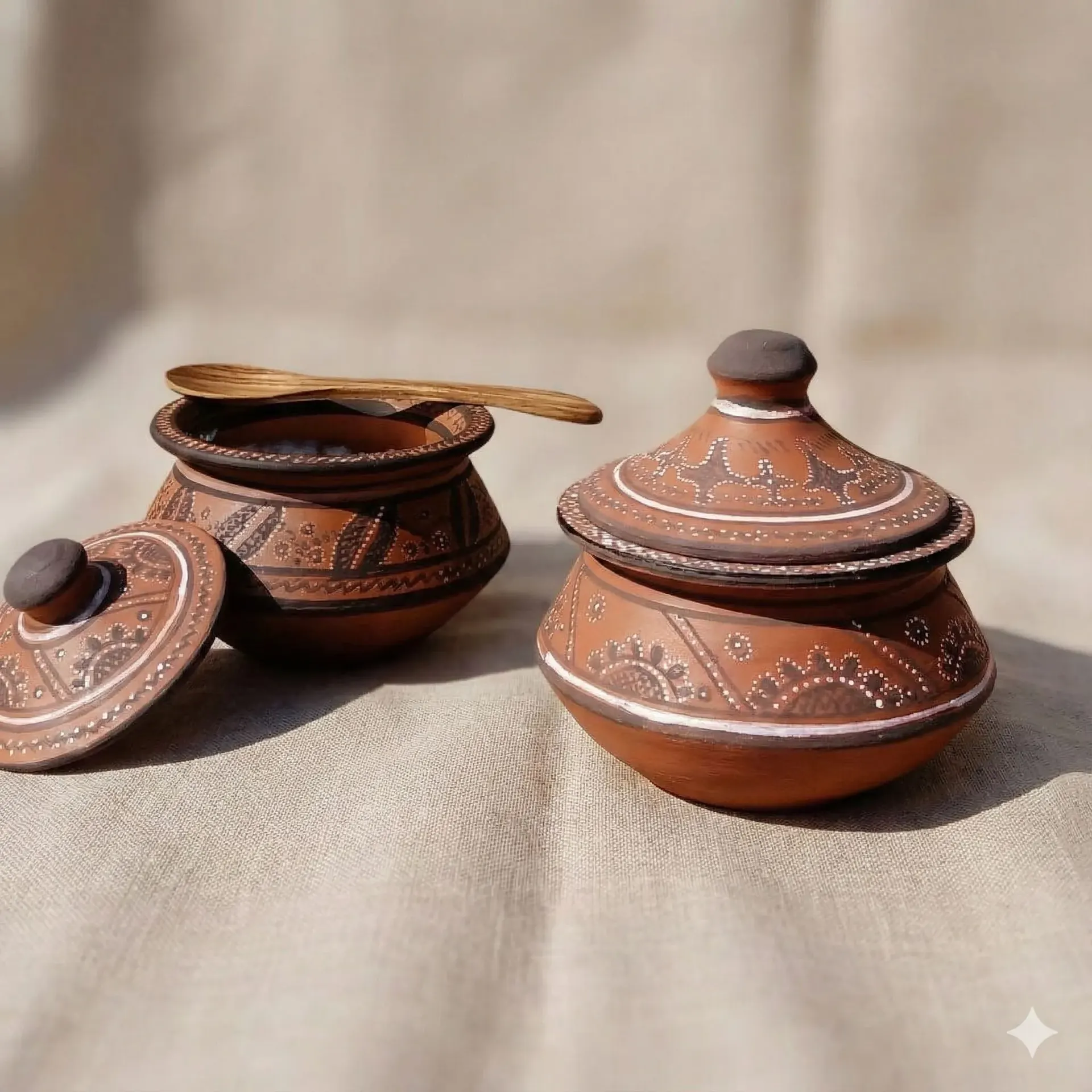
Harappan shapes, thrown from the Rann's own clay
The potters of Khavda dig their clay from a lake bed at the edge of the White Rann and throw forms that have not changed since Dholavira was a living city — the same terracotta, the same black and white slip-painted dots and lines. Men throw and fire; women paint. Hold a Khavda water pot next to a Harappan one in a museum and the five thousand years between them vanish.
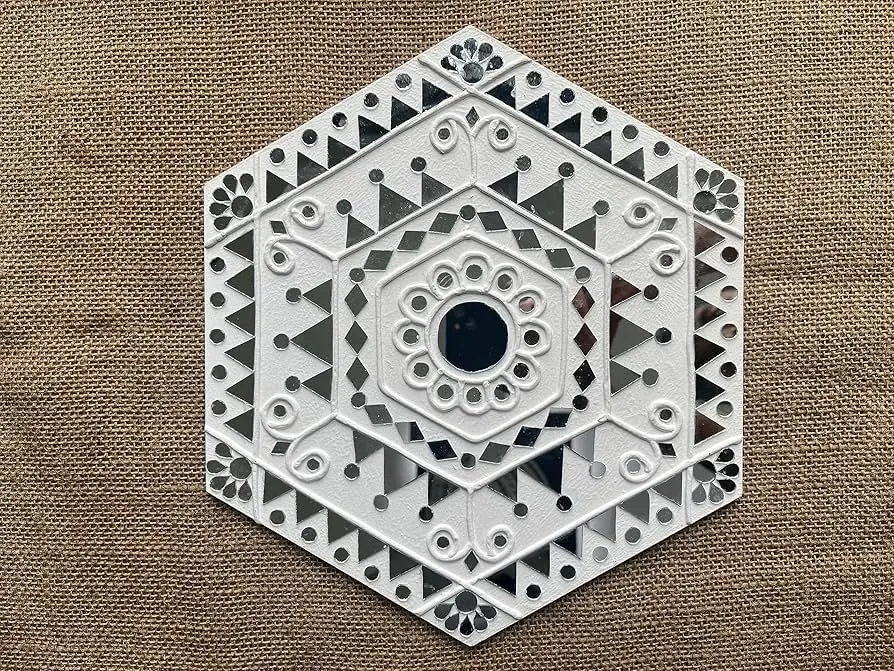
Sixteen communities, sixteen stitches, one shining grassland
Embroidery in Kutch is a language with dialects: the tight architectural suf counted from the back of the cloth, the round mirrors of Rabari work, Ahir flowers, Jat cross-stitch dense as pixels, Mutwa stitches so fine they seem printed. Each pastoral community of Banni stitched its identity into dowries and dress — you could once read a woman's village from her yoke. Cooperatives like Shrujan and Qasab now carry the stitches to the world without flattening their differences.
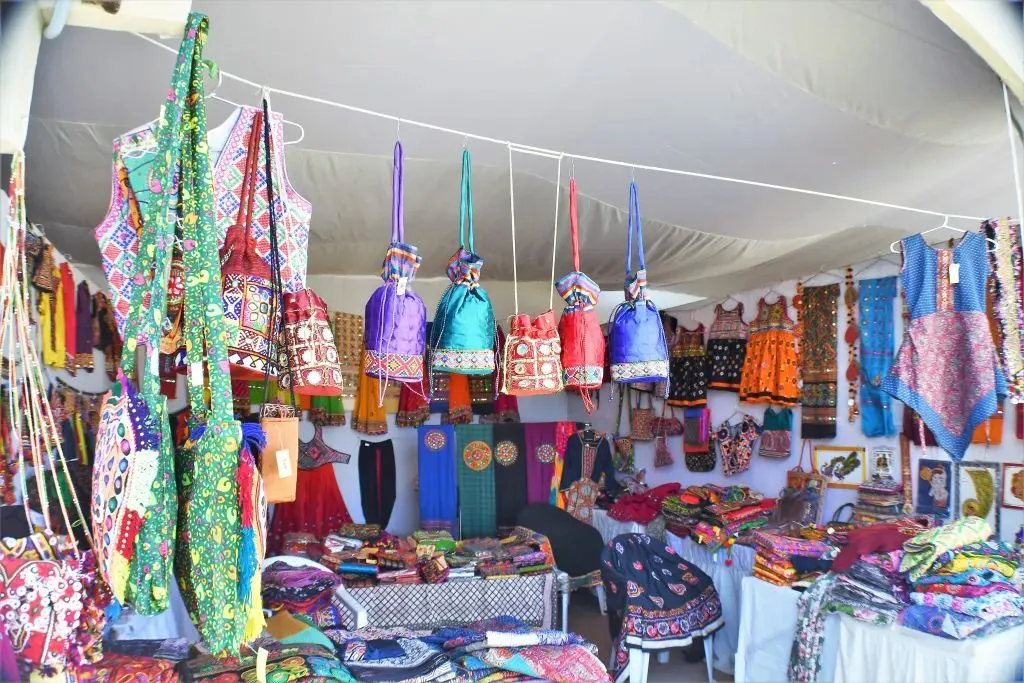
Mud and mirror, turning walls into lanterns
In the round bhunga houses of Banni, women raise relief patterns of clay and camel dung on the walls, pressing in fragments of mirror. By lamplight a finished wall scatters light like a constellation — insulation, architecture and art in one gesture. Lippan has moved from village interiors to galleries, but it still begins with mud worked by hand.
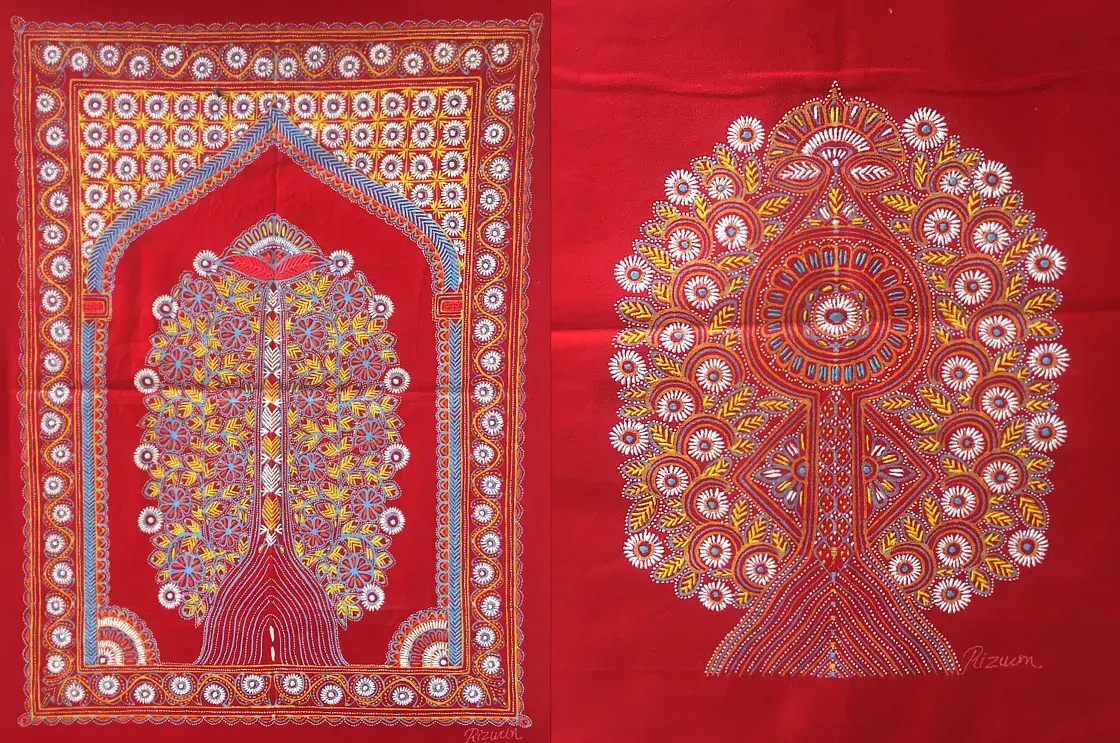
Painting with a thread of boiled castor oil
Rogan is the rarest craft in India — practised by one extended family in Nirona. Castor oil is boiled for two days into a thick elastic gel, mixed with mineral colour, and then drawn out into a fine thread with a metal stylus that never touches the cloth. Folded while wet, the design mirrors itself perfectly. A rogan tree of life hangs in the White House; the family that made it still works from the same village room.
BhujCentral Kutch · HeritageMandviCoastal Kutch · CoastDholaviraEastern Kutch · Heritage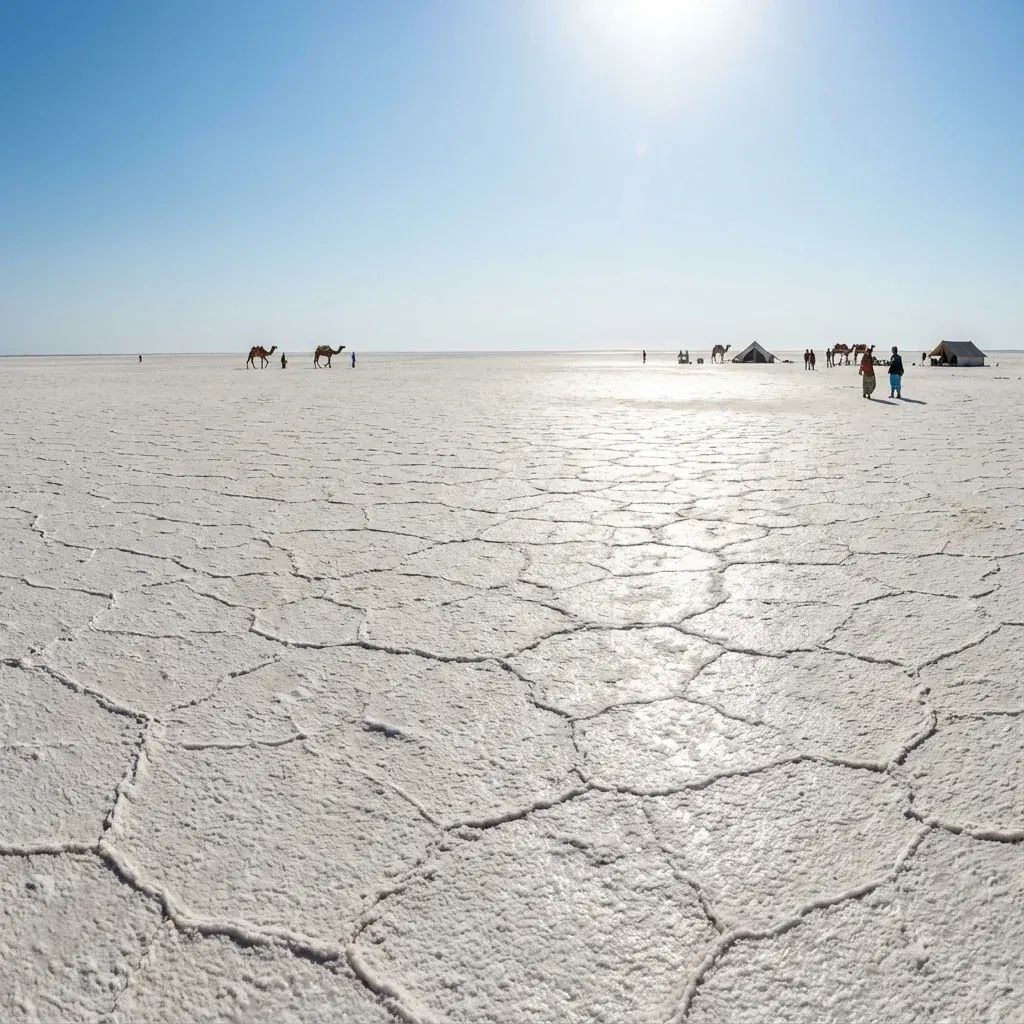 White Rann of KutchNorthern Kutch · Salt desert
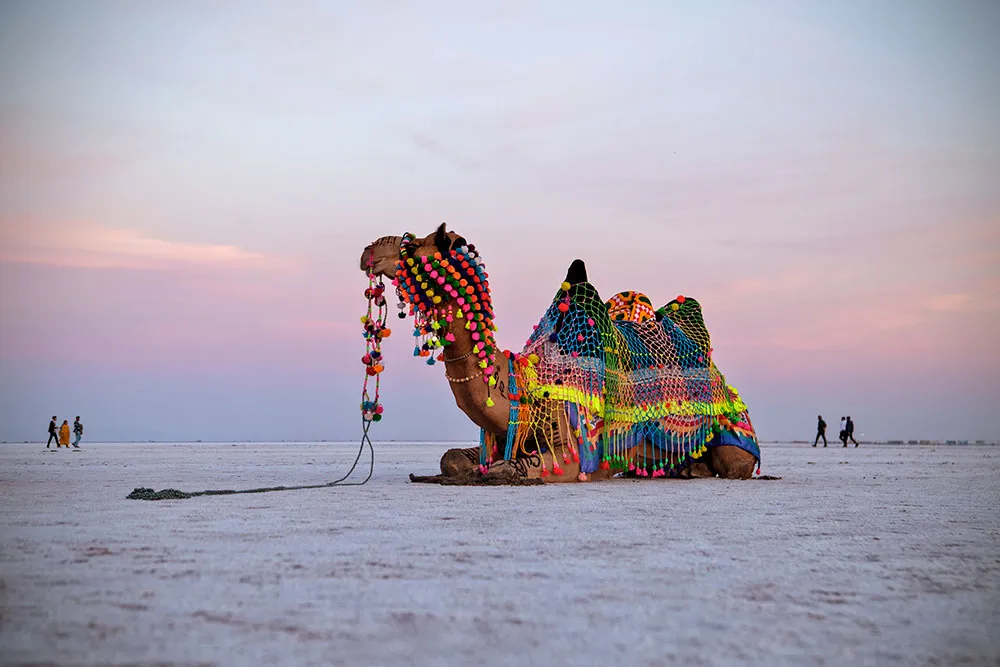 DhordoBanni, Northern Kutch · Village & White Rann base
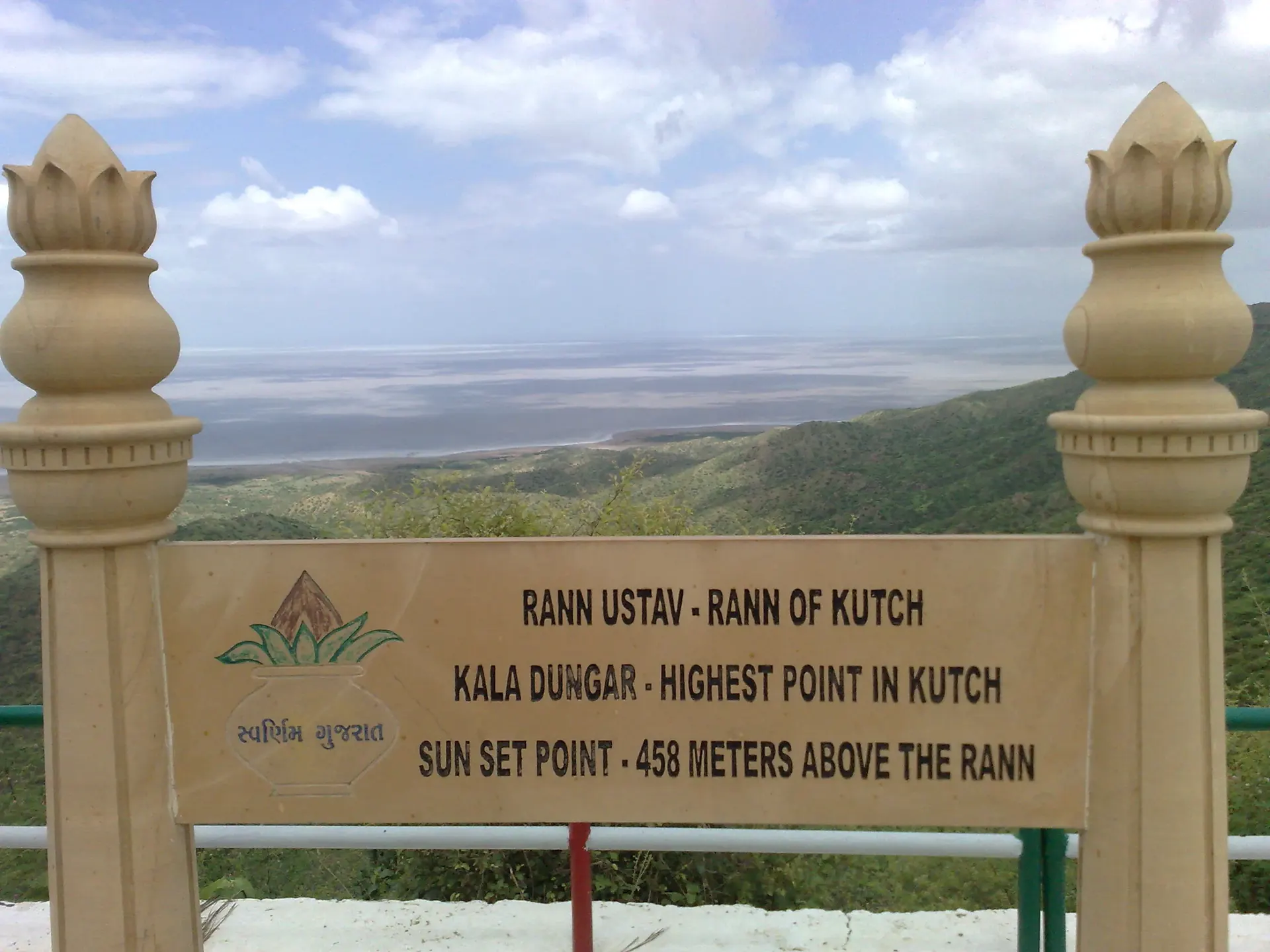 Kalo DungarNorthern Kutch · Viewpoint
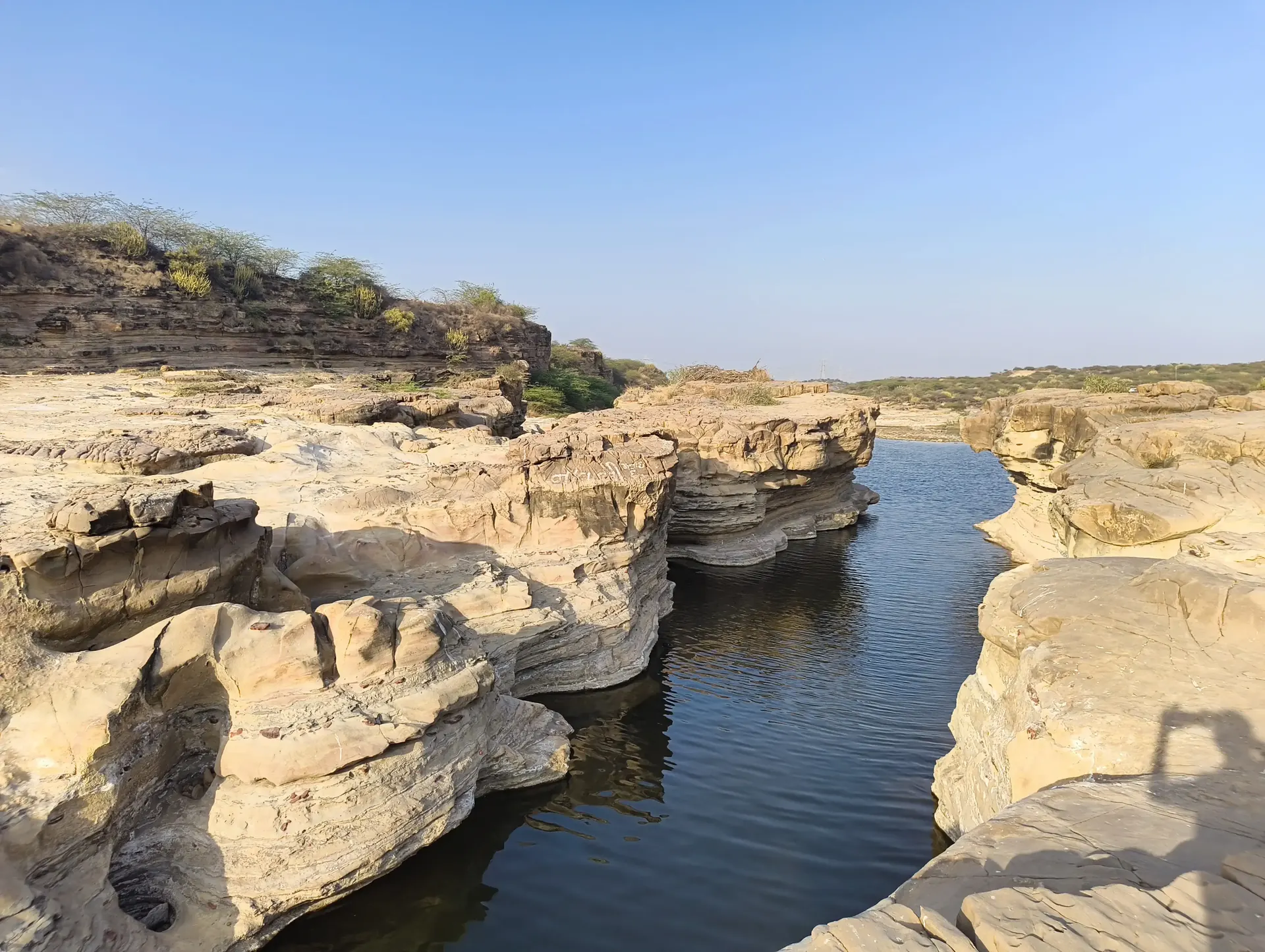 Kadia DhroNorthern Kutch · Canyon
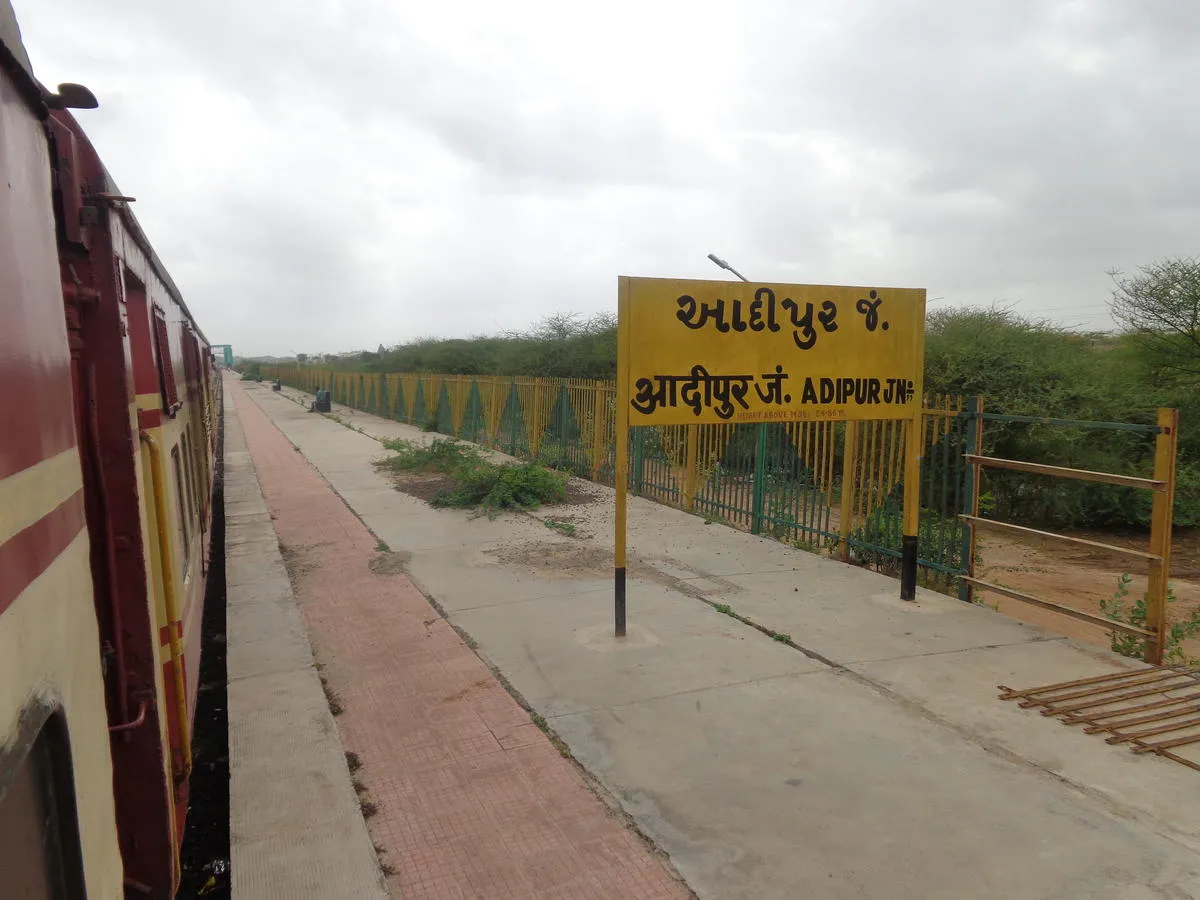 AdipurEastern Kutch · Heritage Town
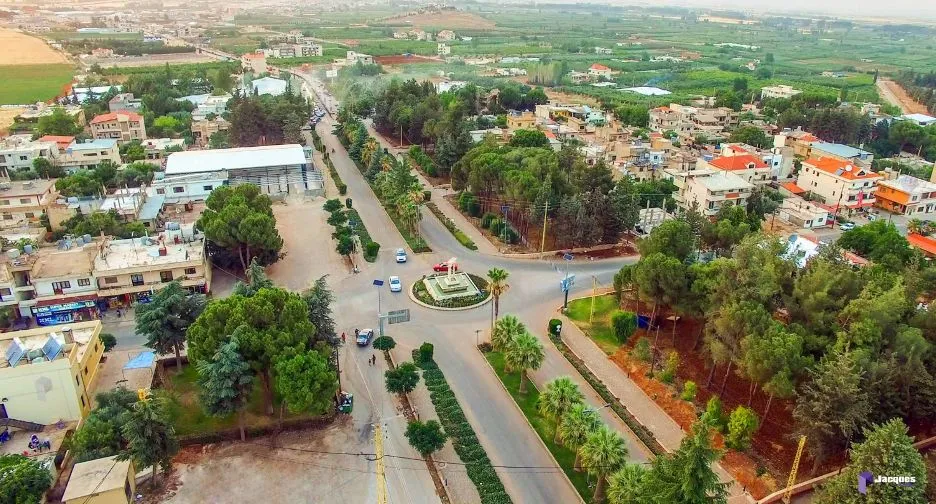 AnjarEastern Kutch · Historic Town
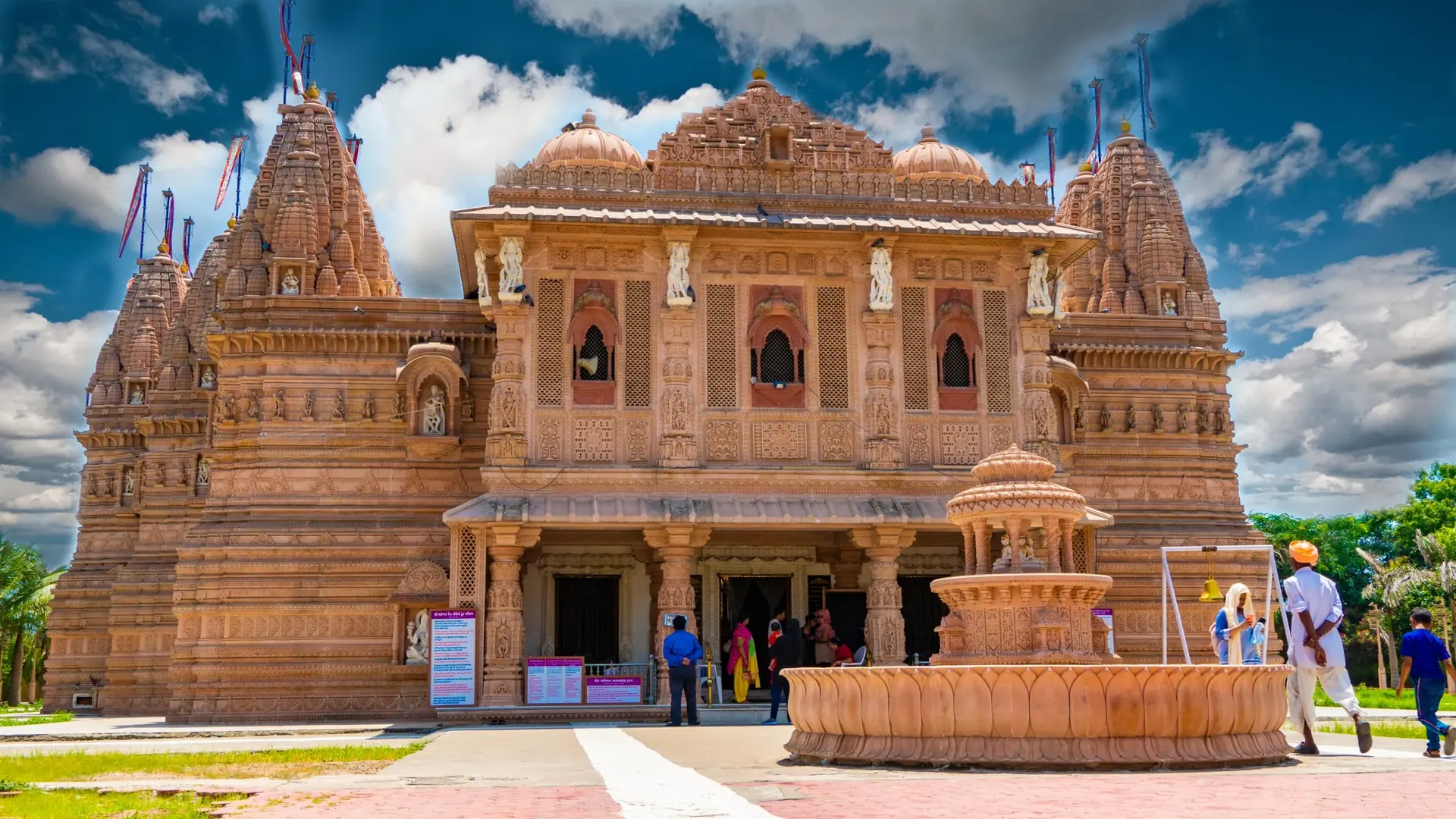 BhadreshwarCoastal Kutch · Jain Pilgrimage & Heritage
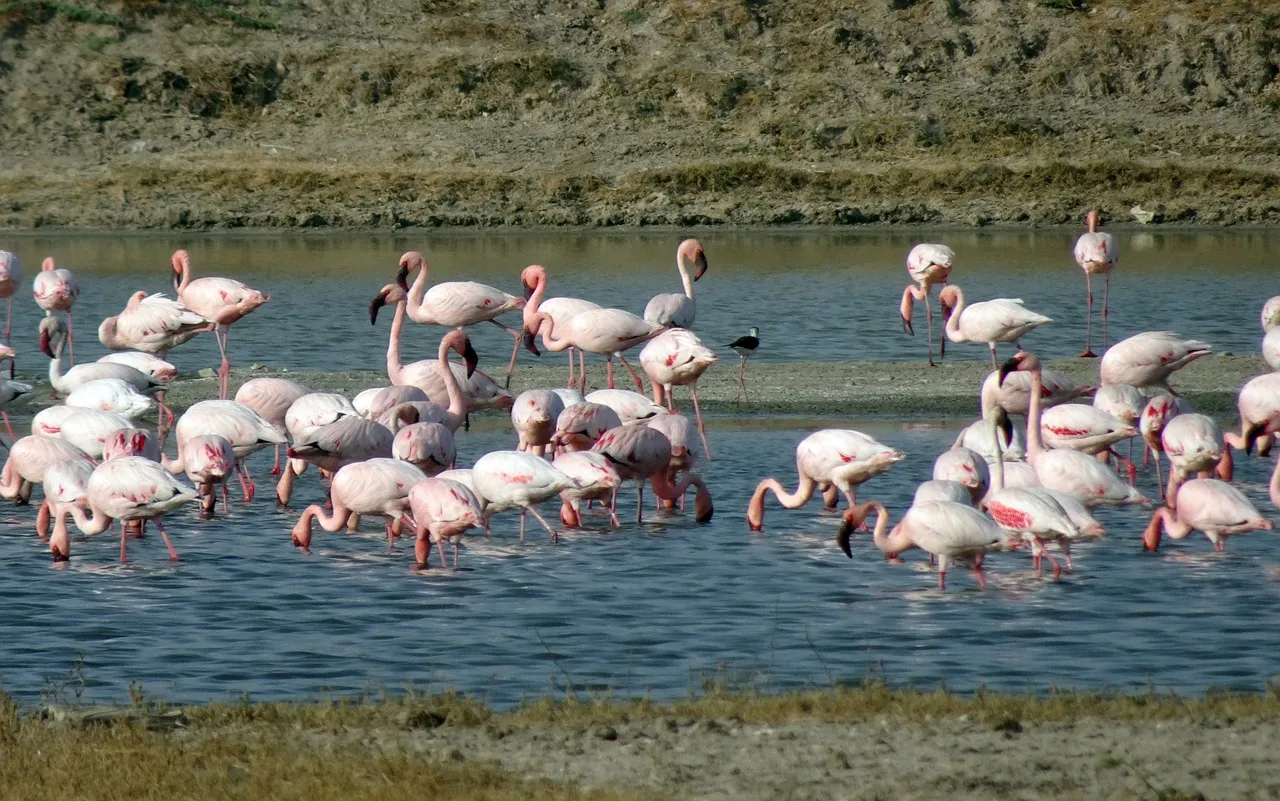 Chhari DhandCentral Kutch · Wetland Sanctuary
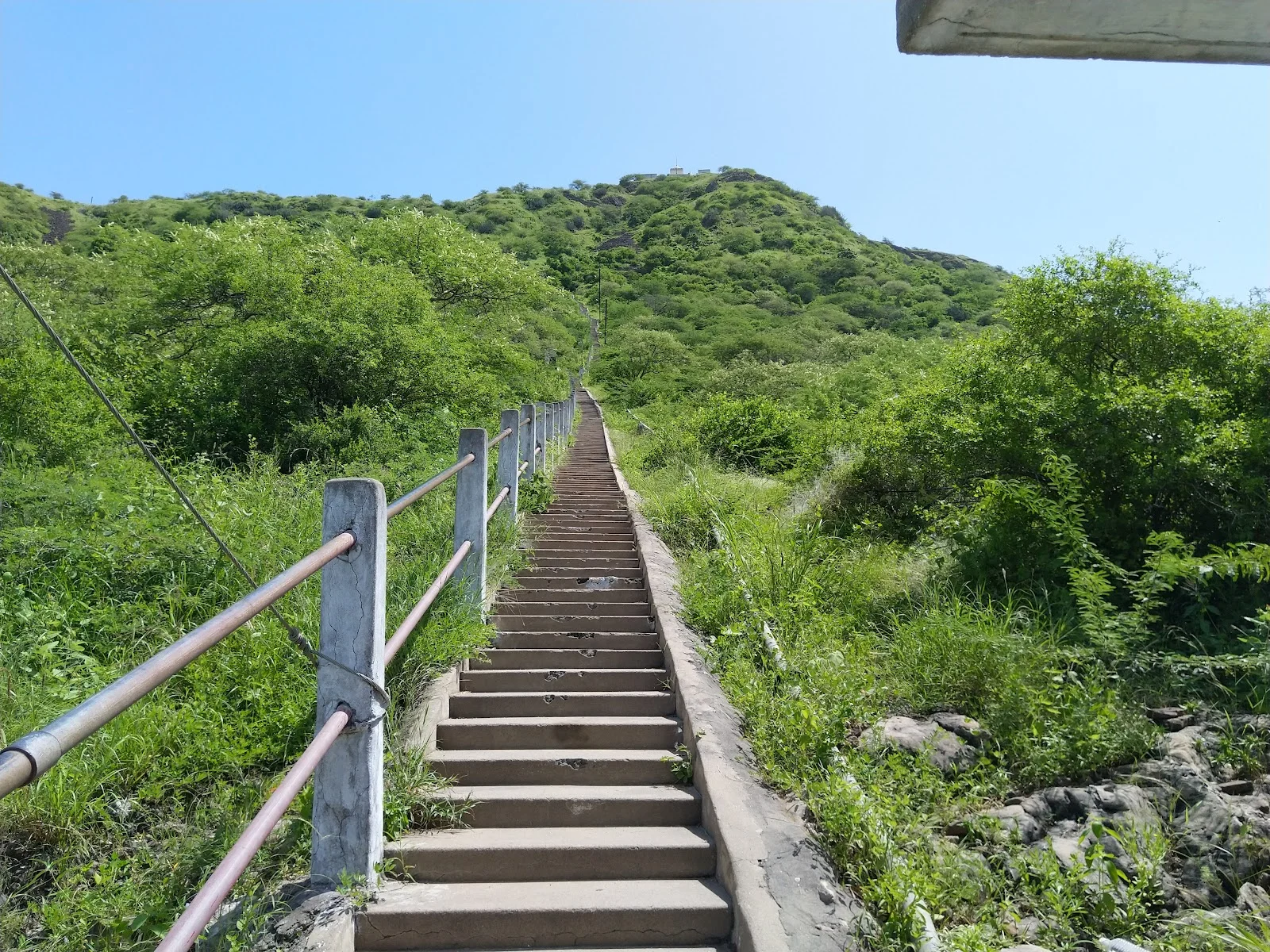 Dhinodhar HillsWestern Kutch · Volcanic Peak & Pilgrimage
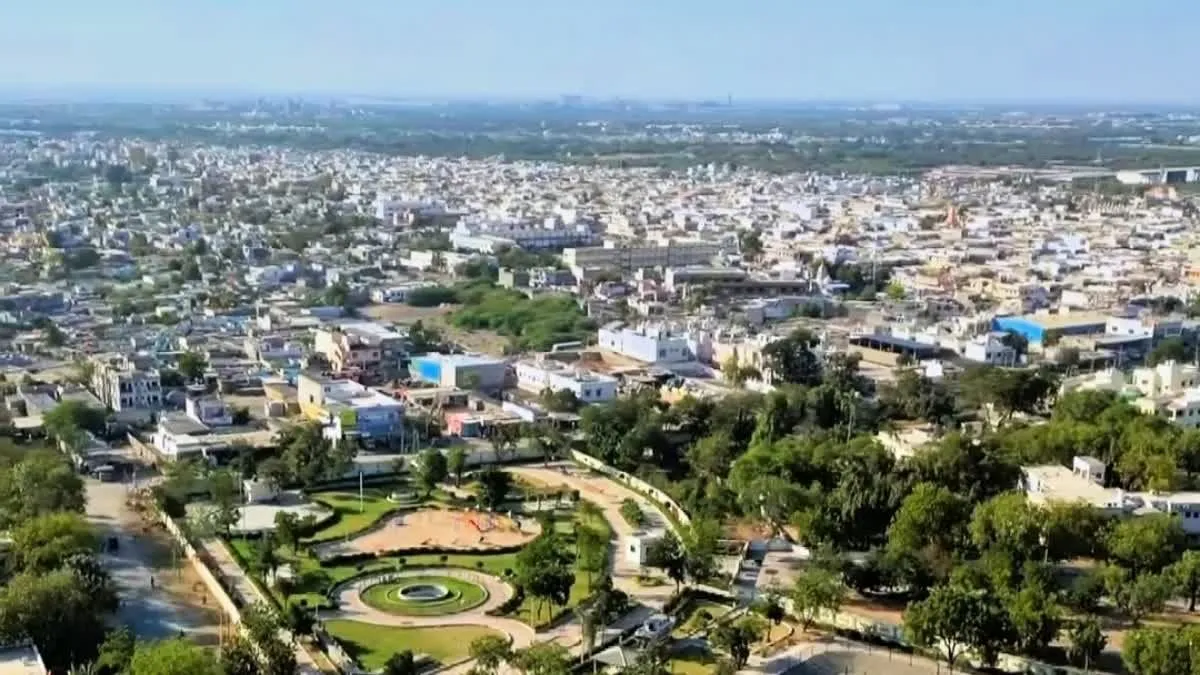 GandhidhamEastern Kutch · Commercial Hub
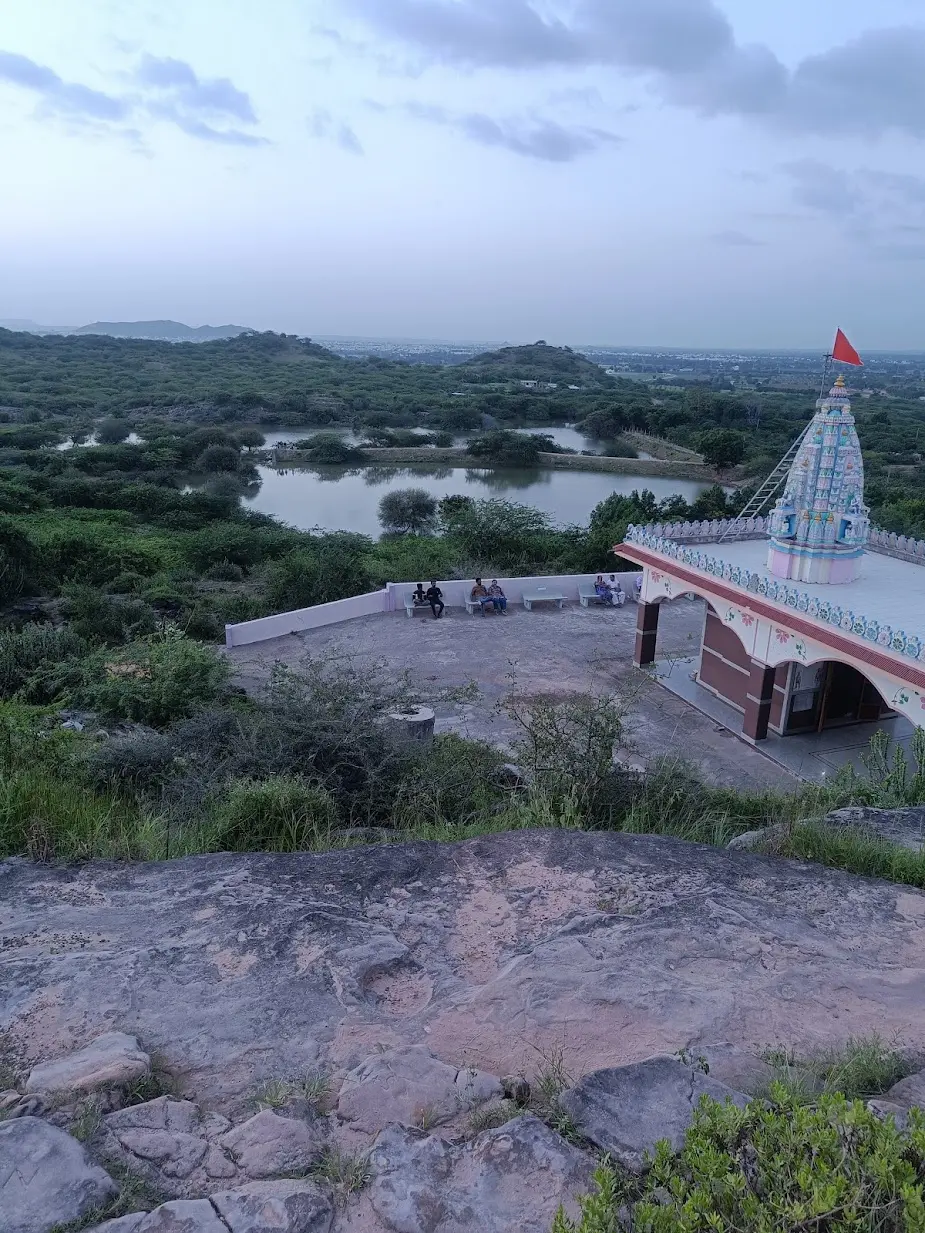 Gangeshwar MahadevCentral Kutch · Hilltop Temple
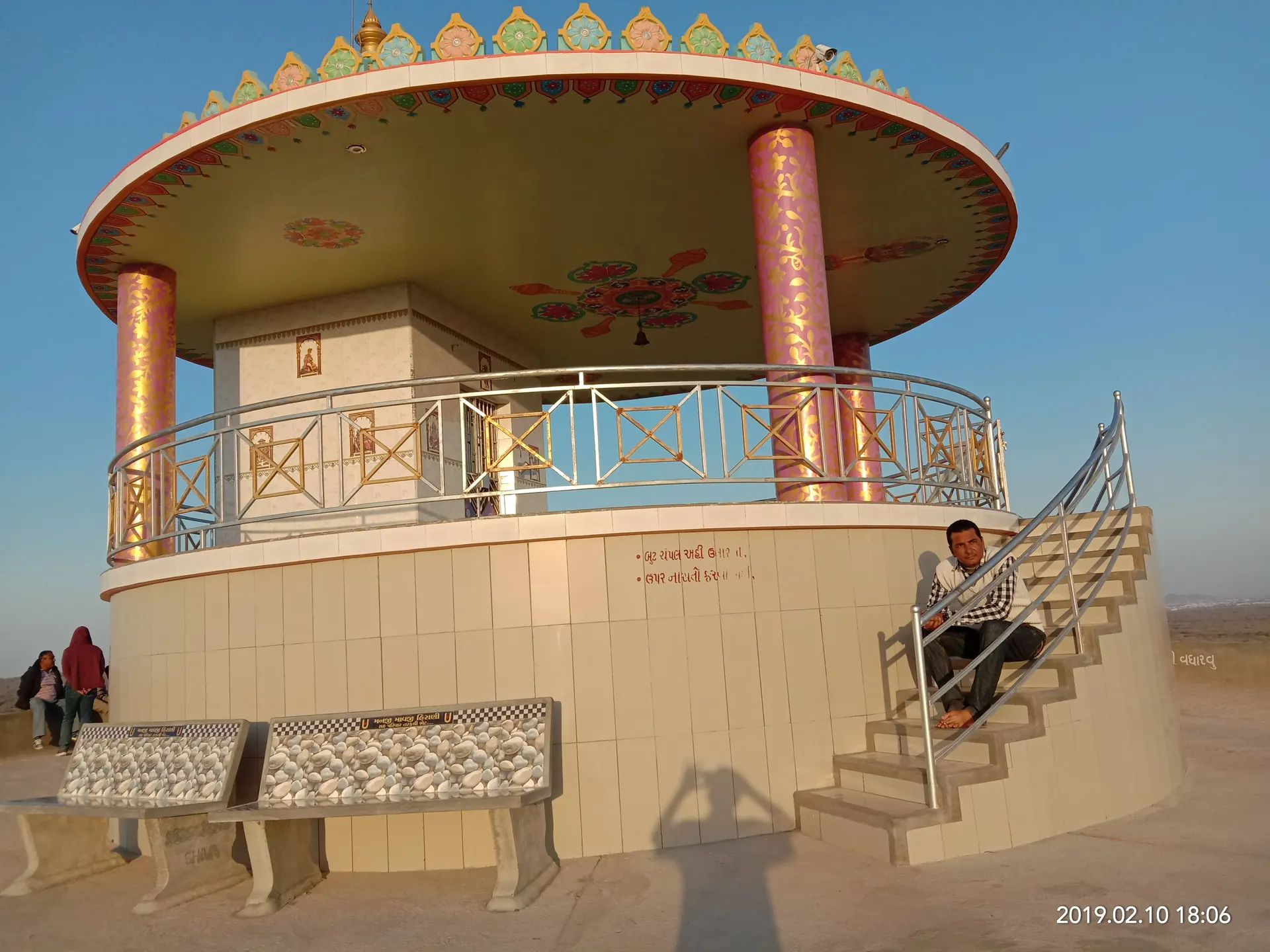 Hanuman TekriCentral Kutch · Hilltop Temple
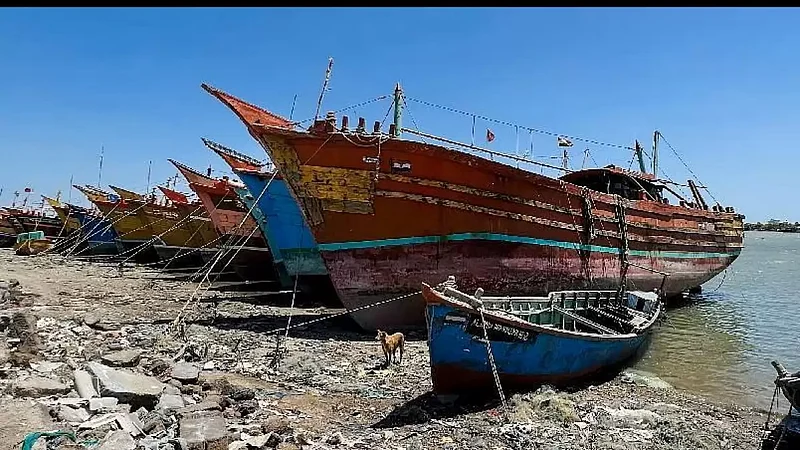 Jakhau PortWestern Kutch · Port & Fishing Harbour
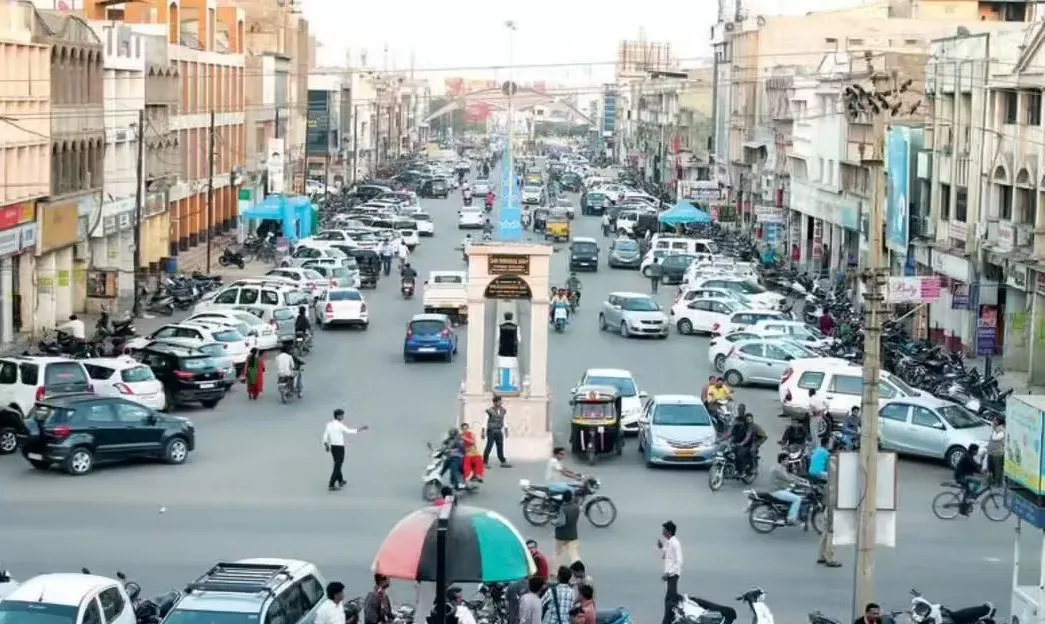 Kandla (Deendayal Port)Eastern Kutch · Port City
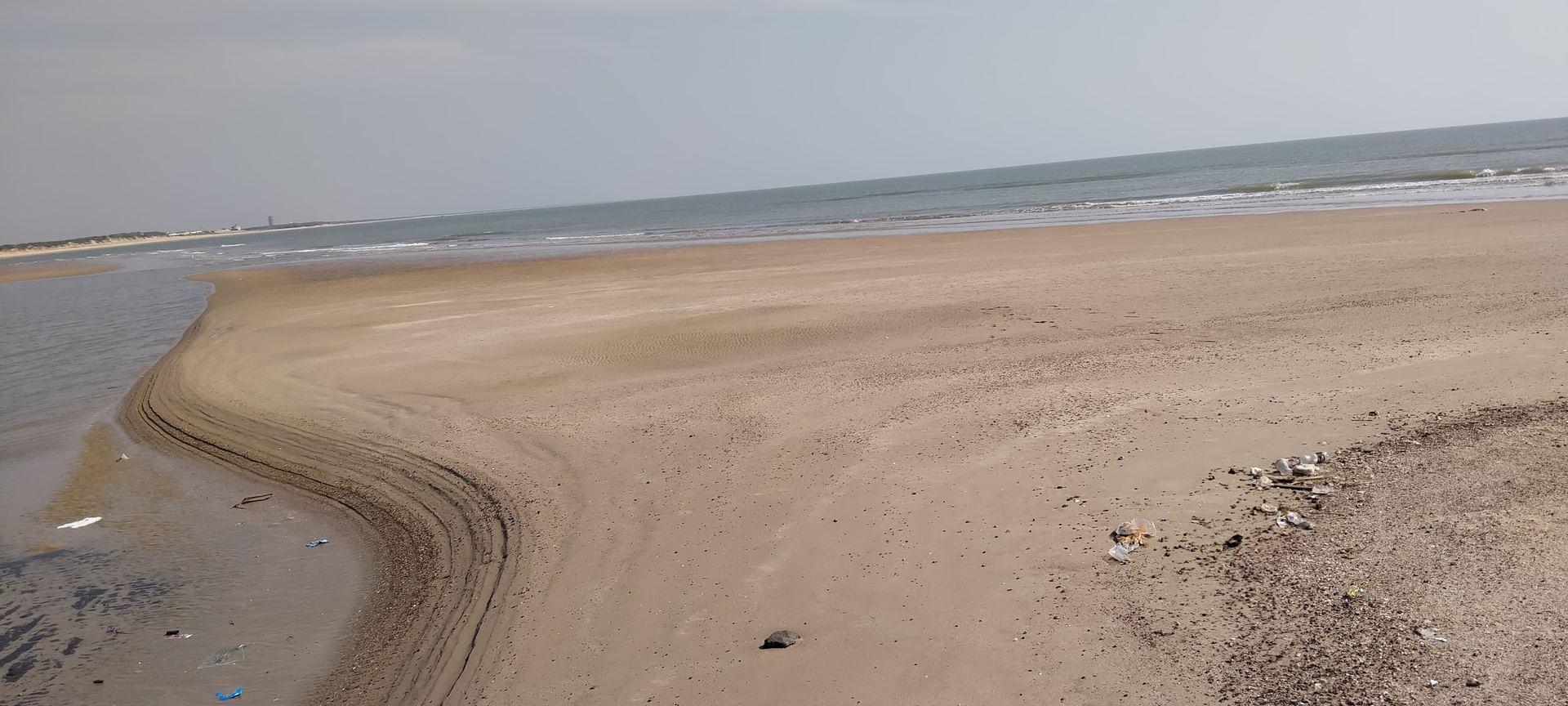 Kashi Vishwanath BeachCoastal Kutch · Beach
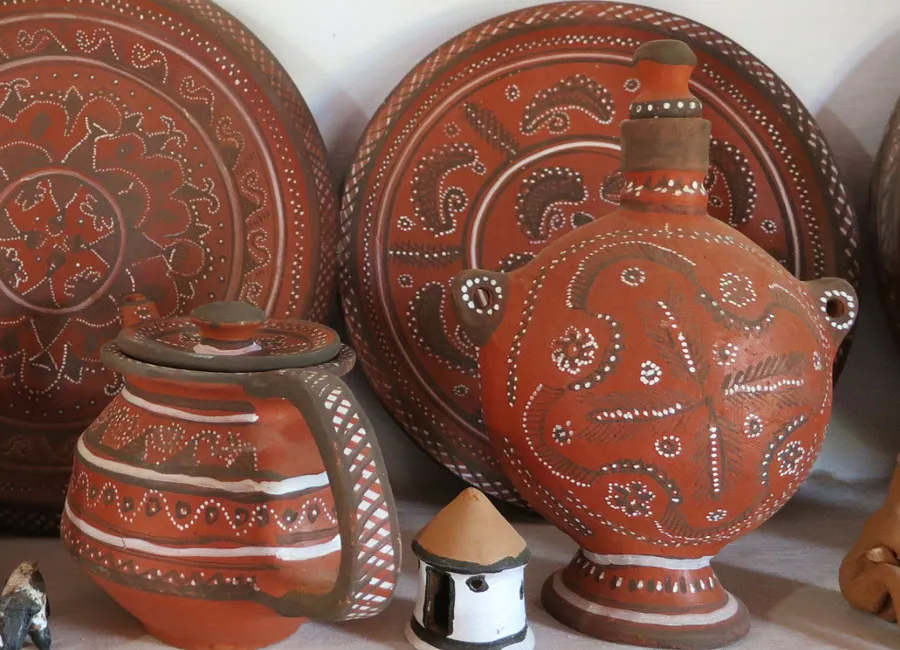 KhavdaNorthern Kutch · Craft Village & Rann Gateway
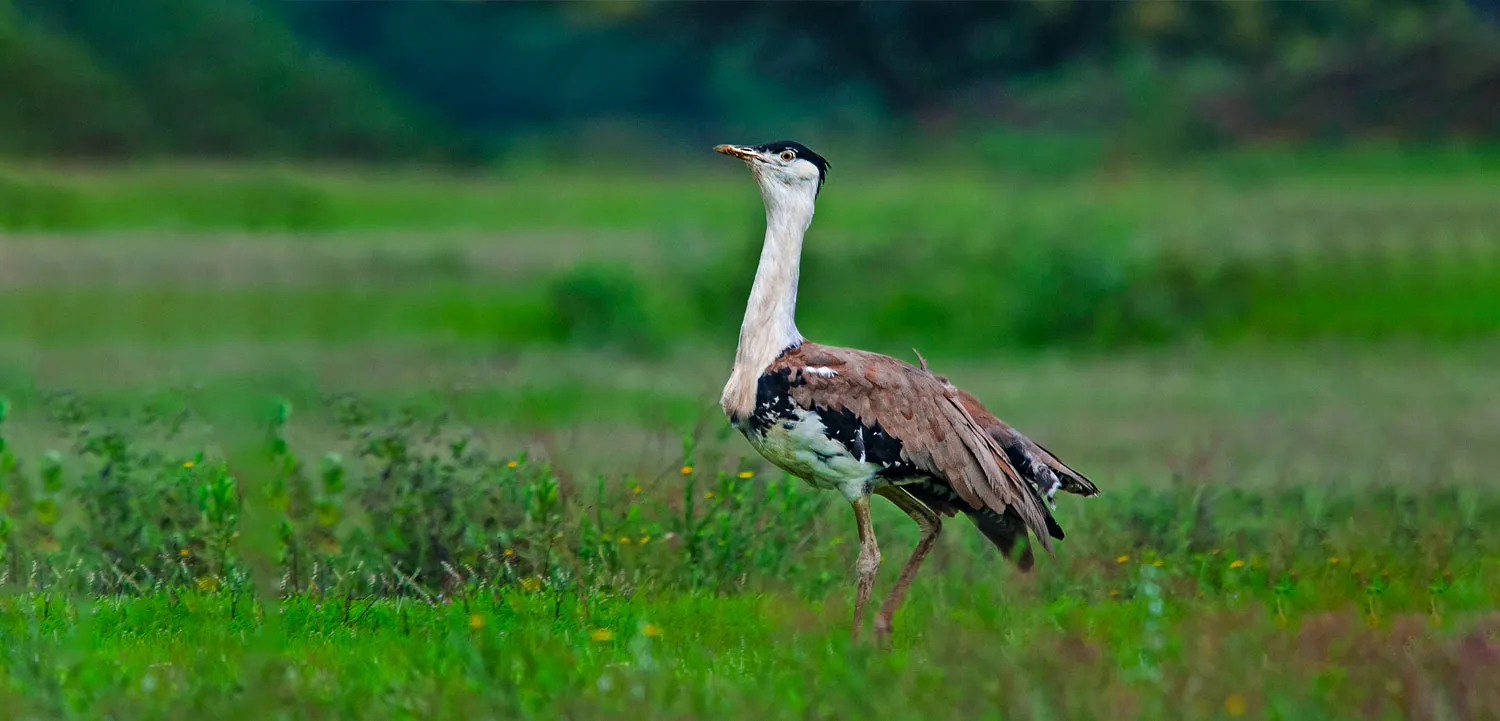 Kutch Bustard SanctuaryWestern Kutch · Wildlife Sanctuary
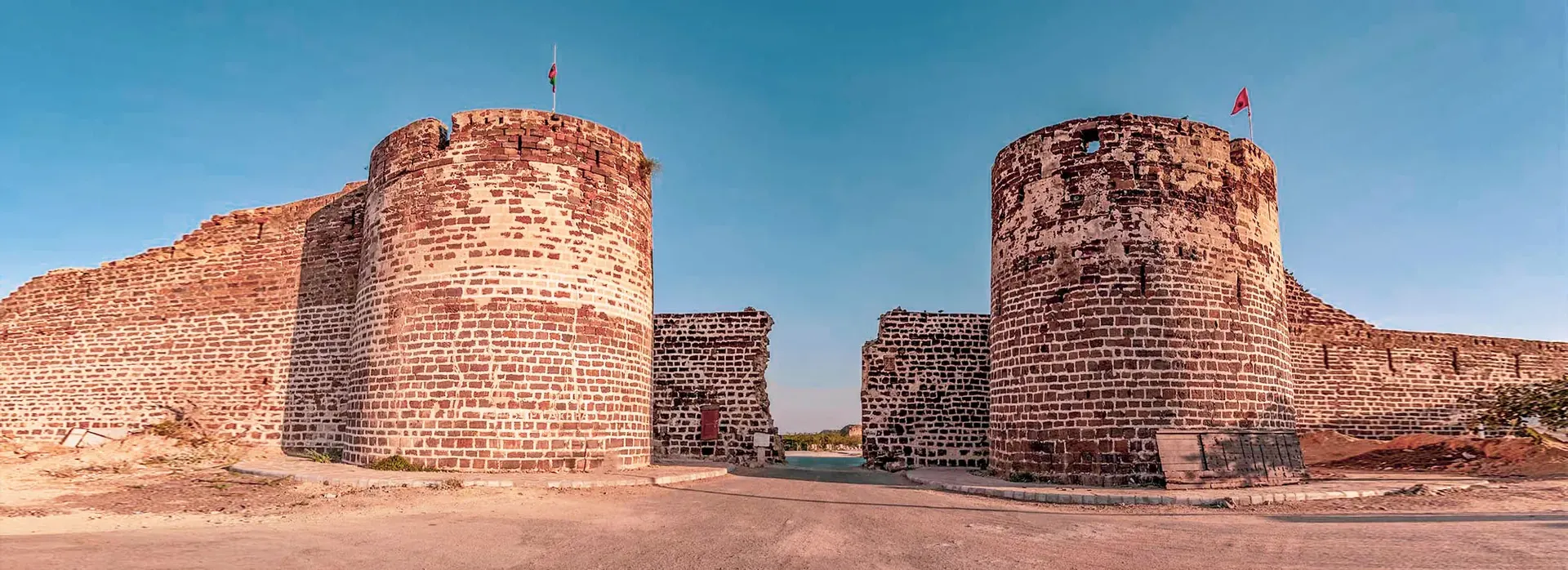 LakhpatWestern Kutch · Heritage
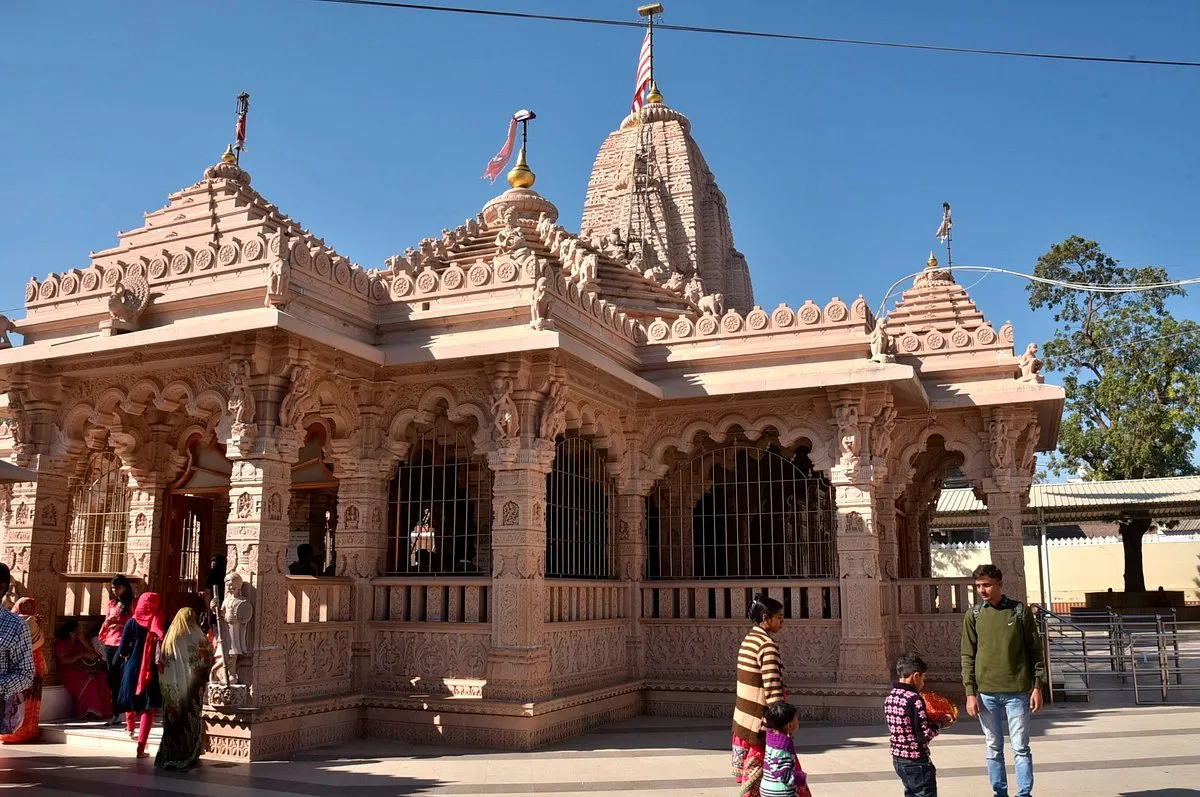 Mata na MadhWestern Kutch · Pilgrimage Temple
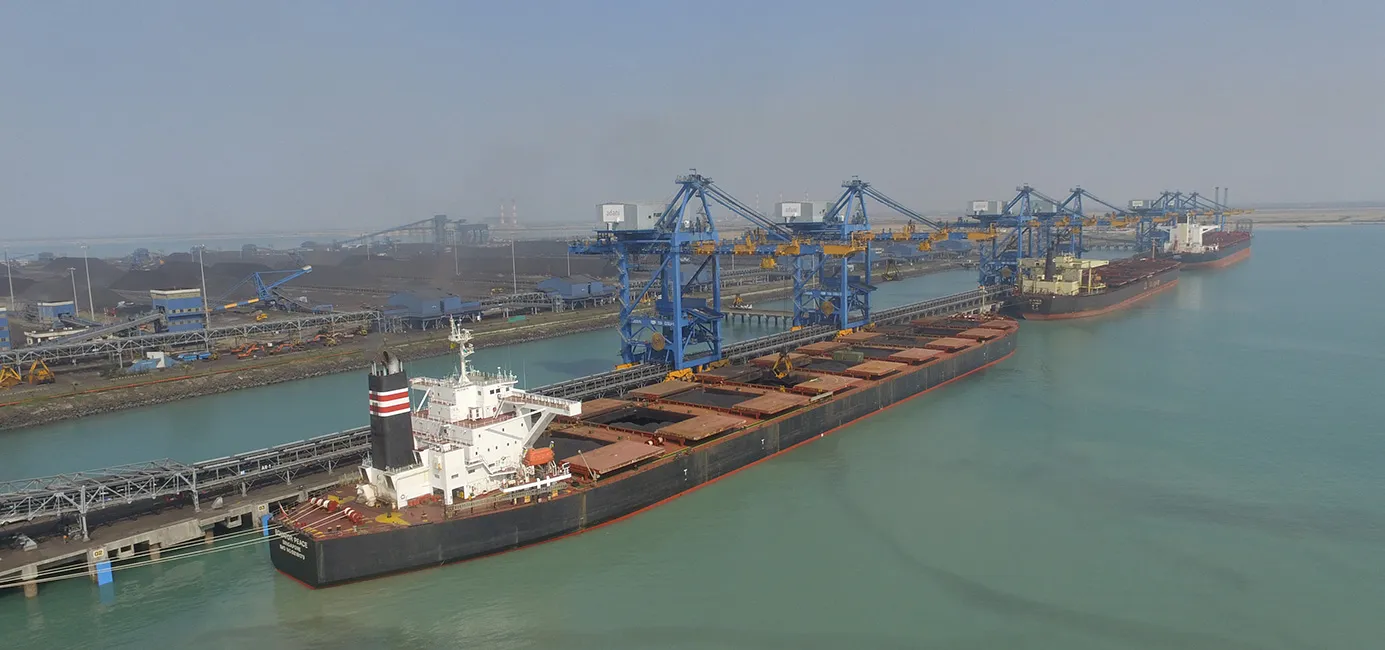 MundraCoastal Kutch · Port Town
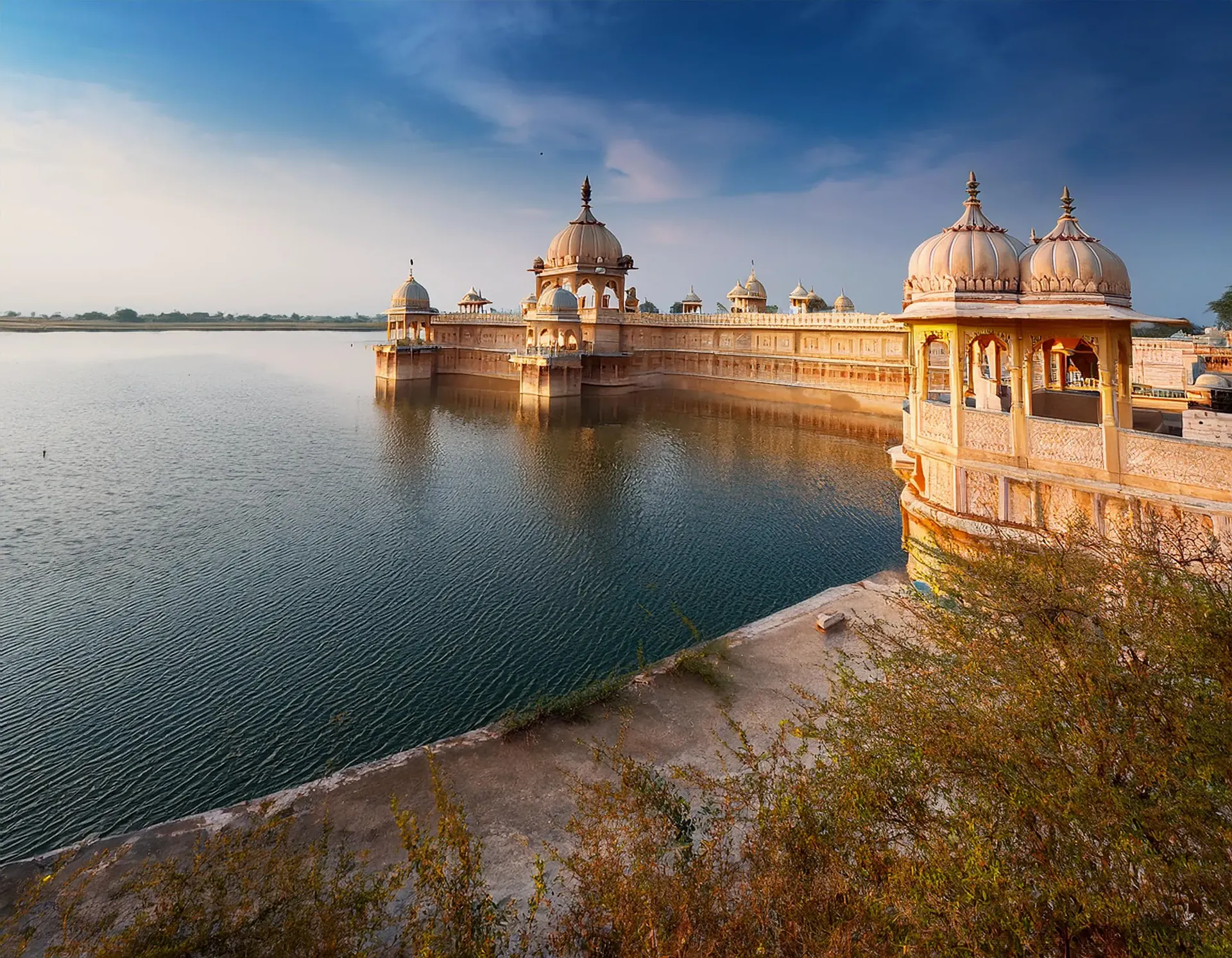 Narayan Sarovar & KoteshwarWestern Kutch · Pilgrimage & CoastNironaCentral Kutch · Craft Village
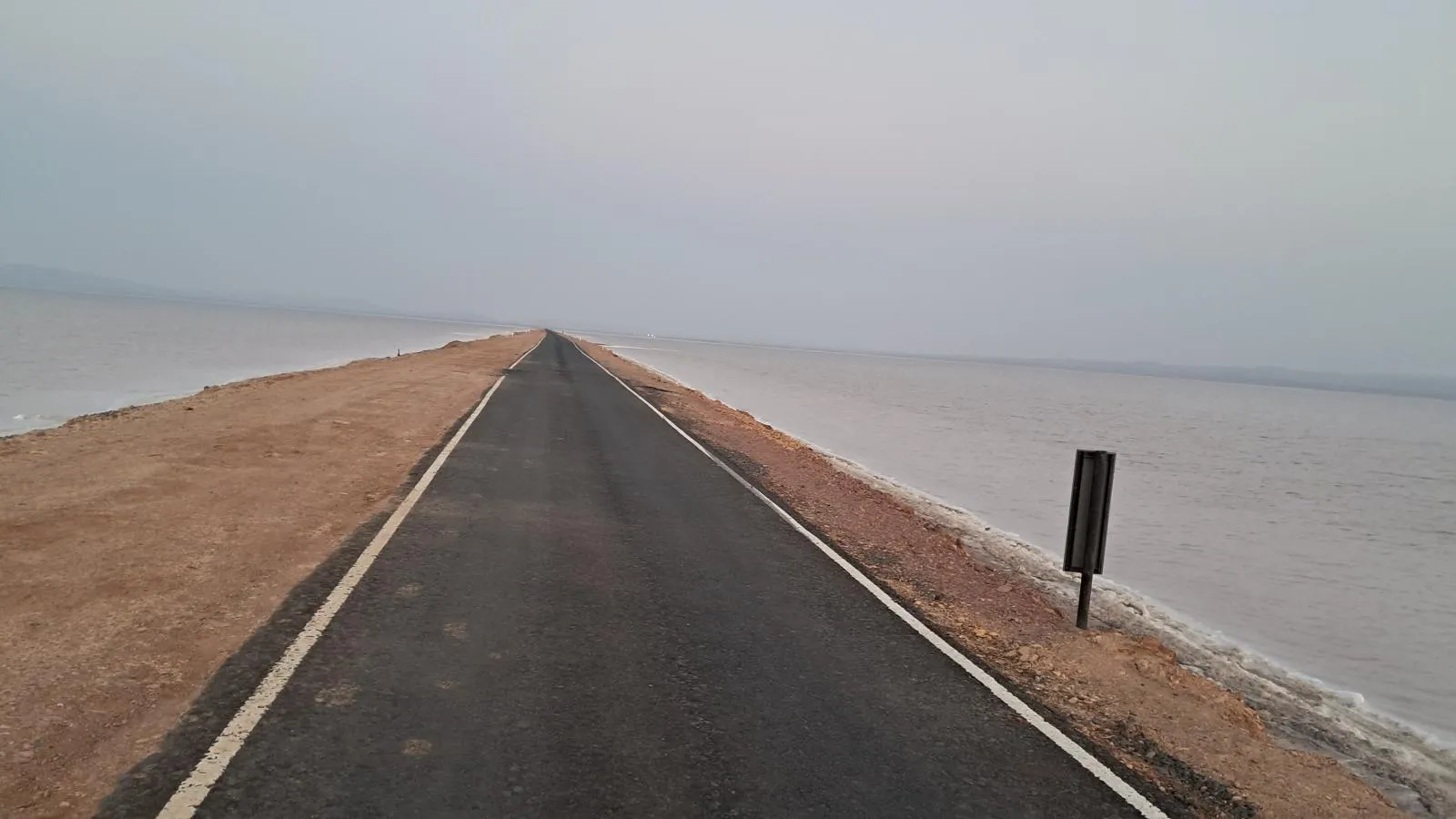 Road to HeavenNorthern Kutch · Scenic route
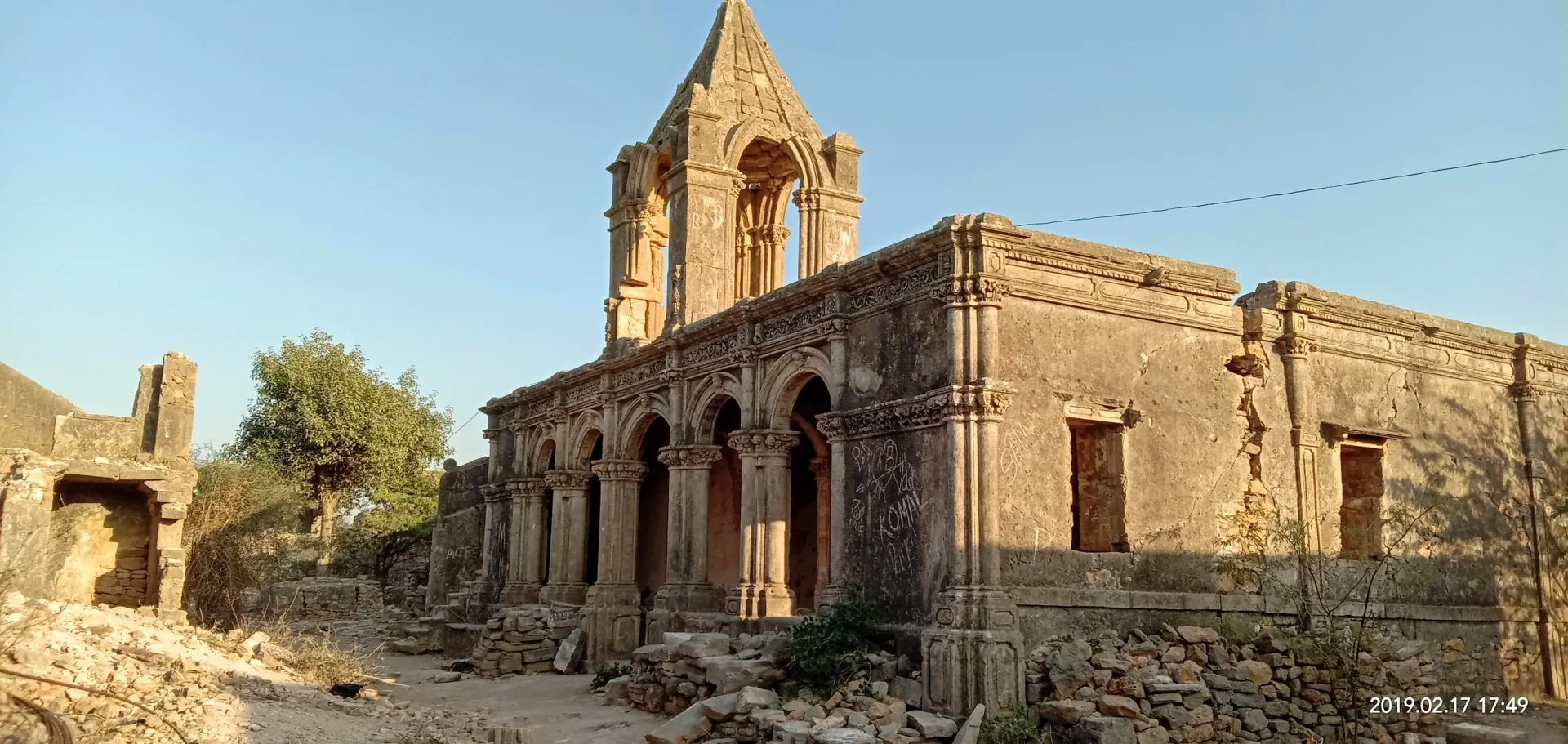 Roha FortWestern Kutch · Hill Fort Ruins
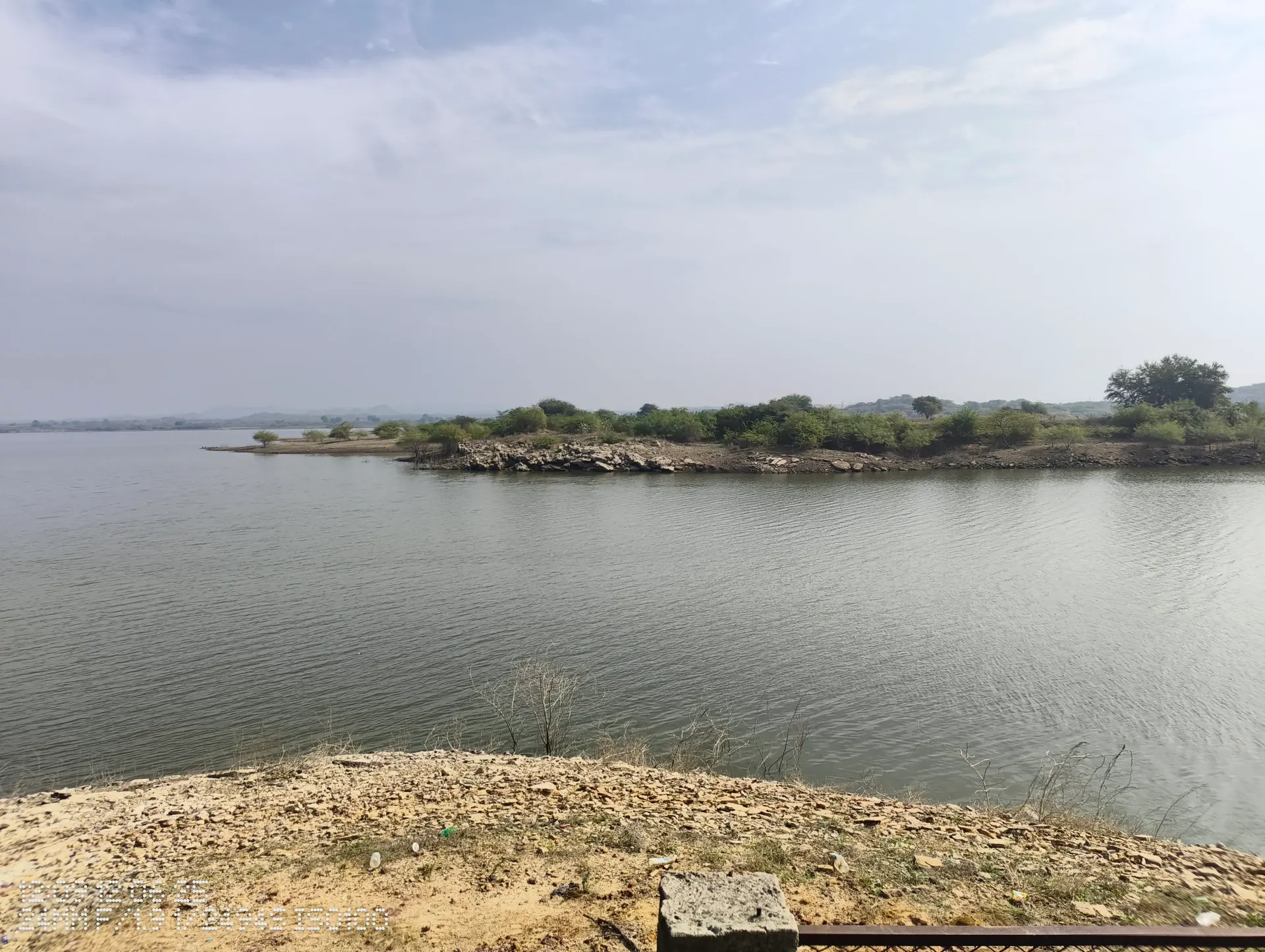 Rudramata DamCentral Kutch · Reservoir & Picnic Spot
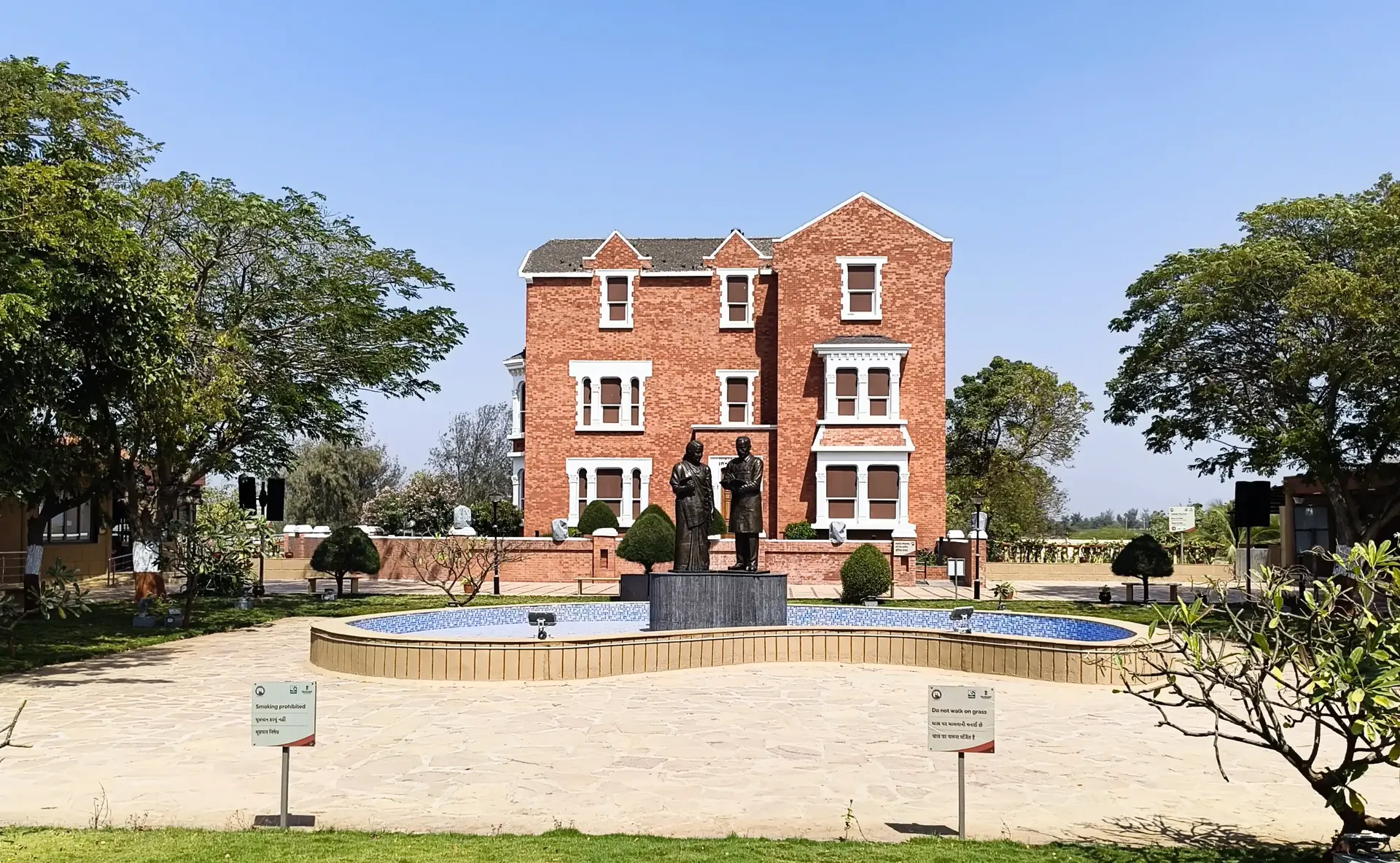 Shyamji Krishna Varma Kranti TirthCoastal Kutch · Heritage Memorial
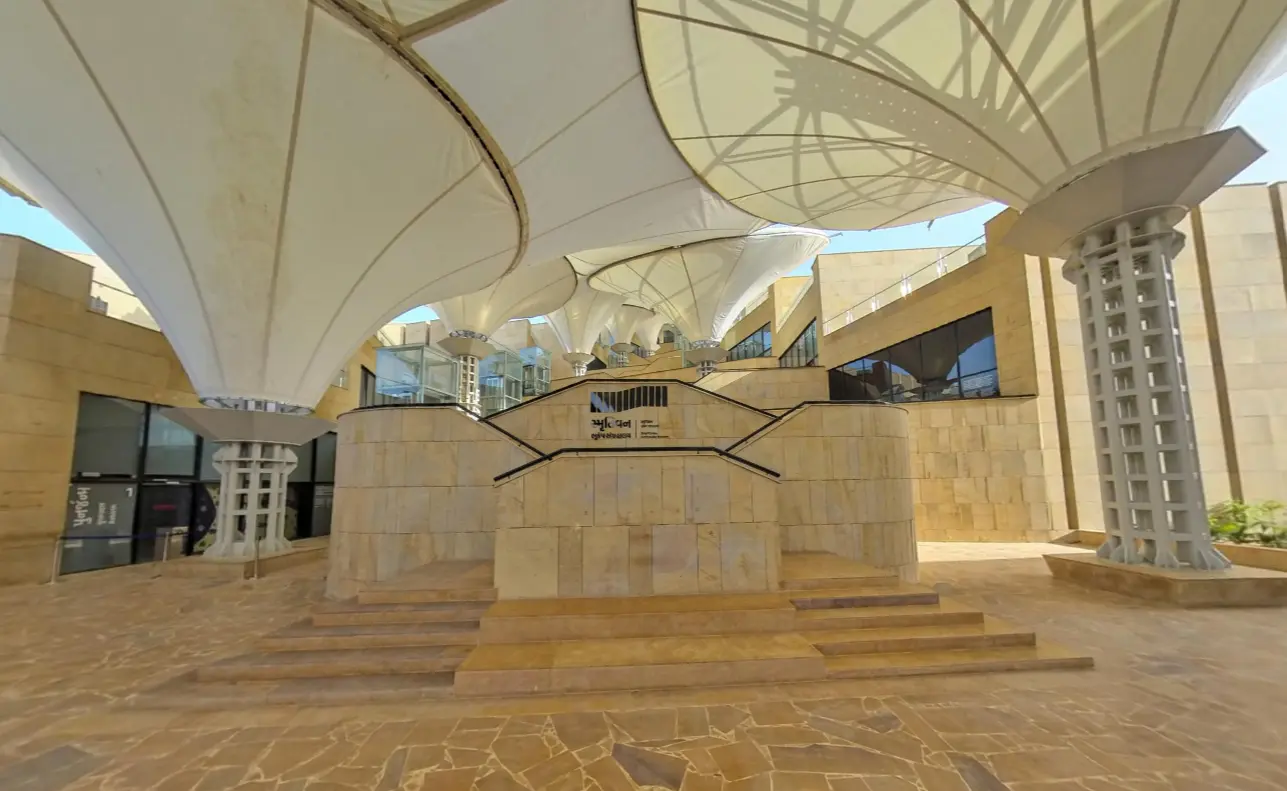 Smritivan Earthquake Memorial and MuseumBhuj · Memorial & Museum
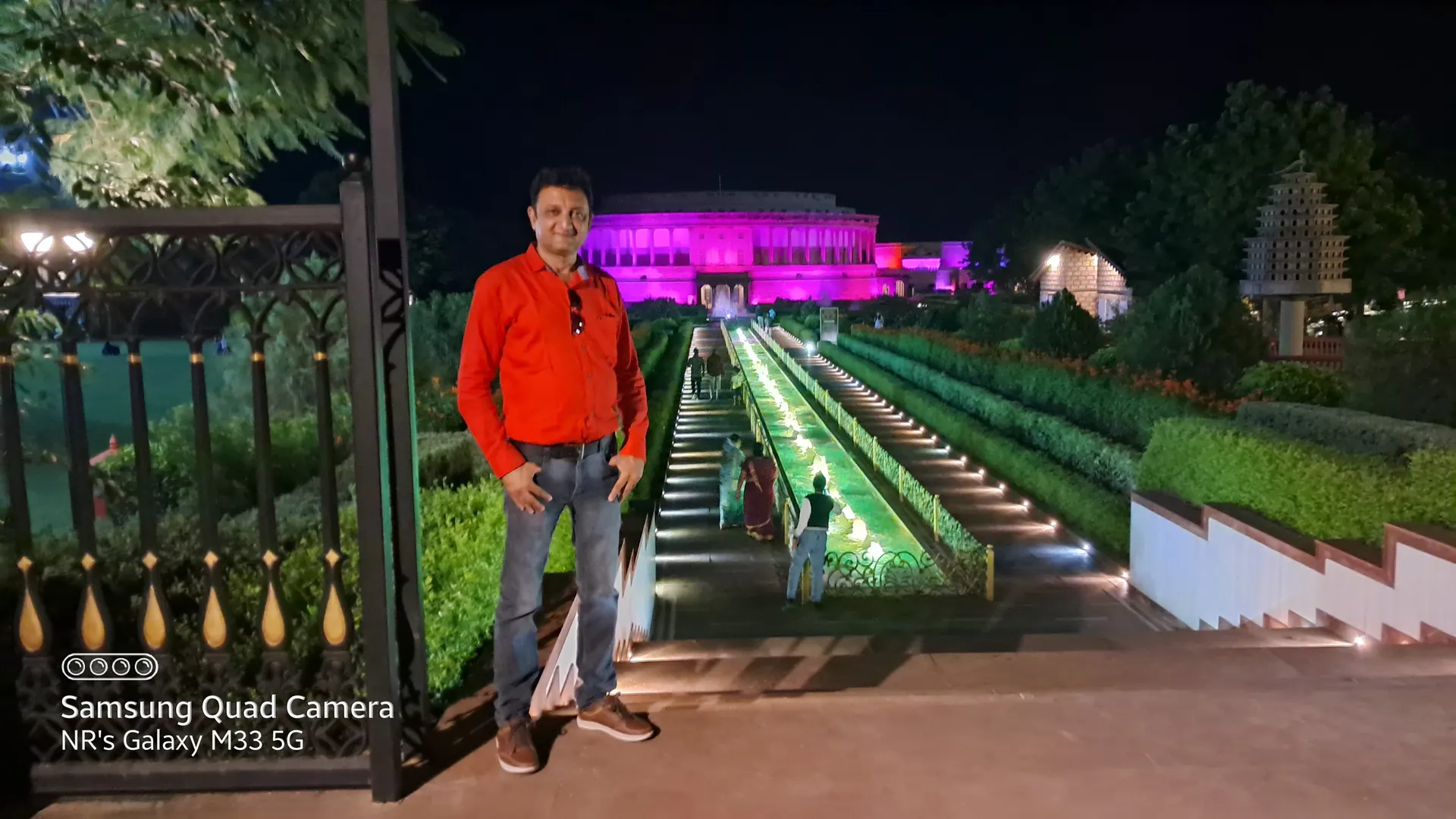 Vande Mataram MemorialCentral Kutch · Memorial & Museum
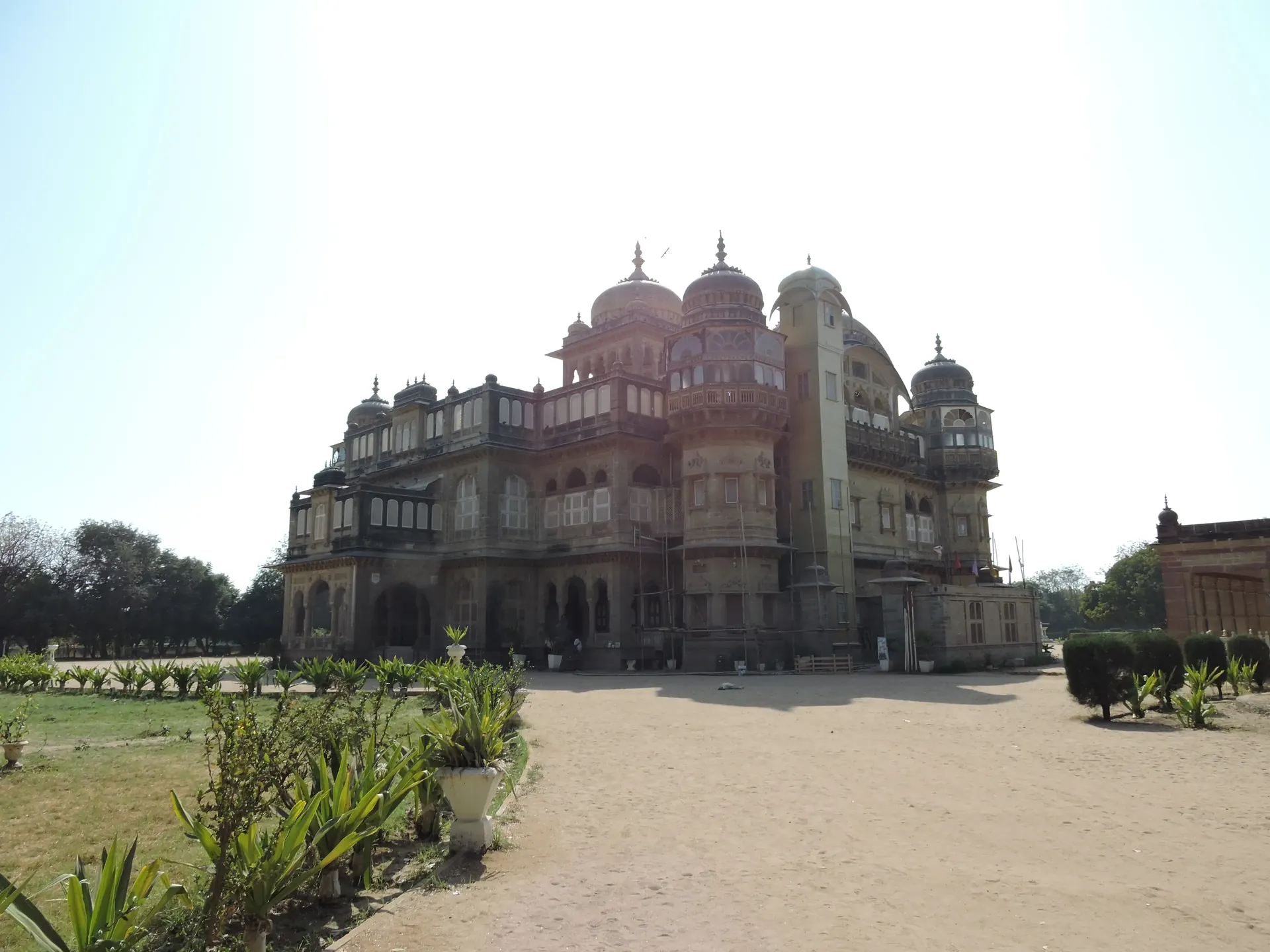 Vijay Vilas PalaceCoastal Kutch · Royal Palace