Western Kutch
Narayan Sarovar & Koteshwar
One of Hinduism's five sacred lakes and the sea temple at the westernmost tip of India
At a glance
- Ideal forpilgrims, sunset lovers, wildlife photographers & border explorers
- Best timeOctober to March (pleasant coastal weather & bird watching)
- Panch Sarovarcounted among India's 5 holy lakes (along with Mansarovar, Pushkar, Pampa & Bindu)
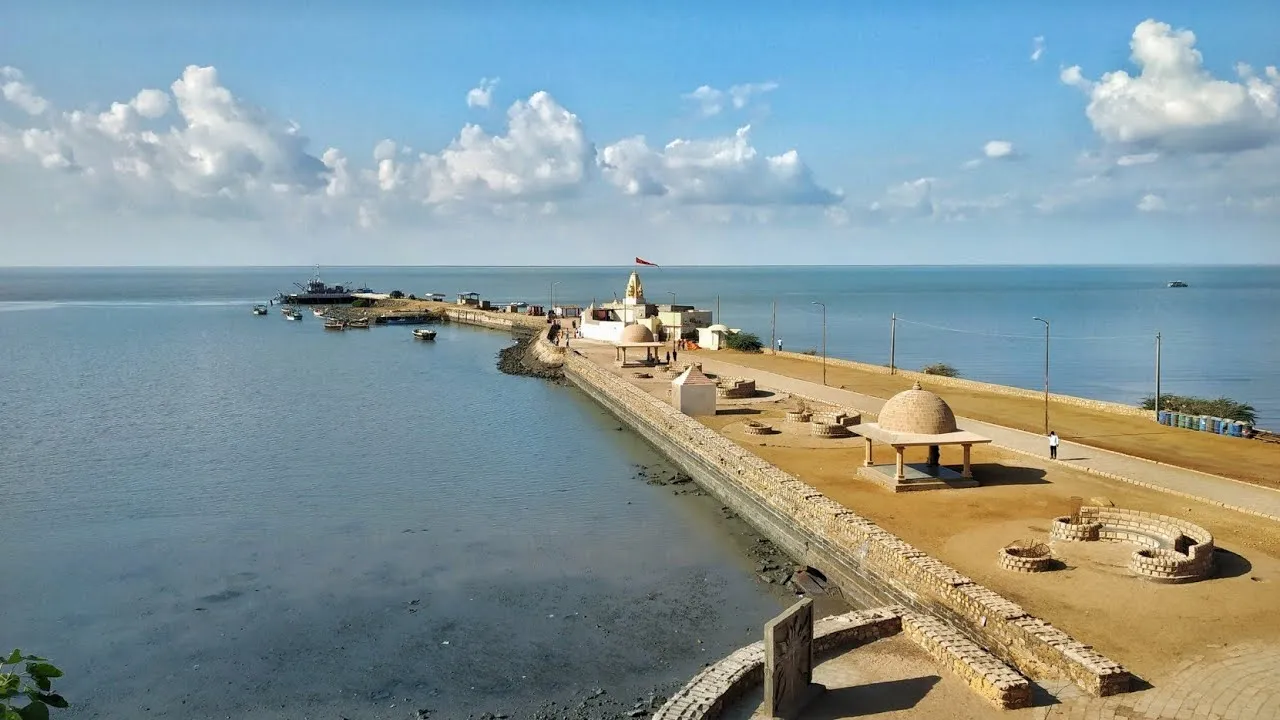
- Geographical landmarkKoteshwar Shiva Temple marks India's westernmost coastal point
- Wildlife sanctuarysurrounding 444 sq km thorn forest shelters Chinkara gazelles & desert foxes
- Connectivity150 km west of Bhuj via State Highway 42
01
Overview
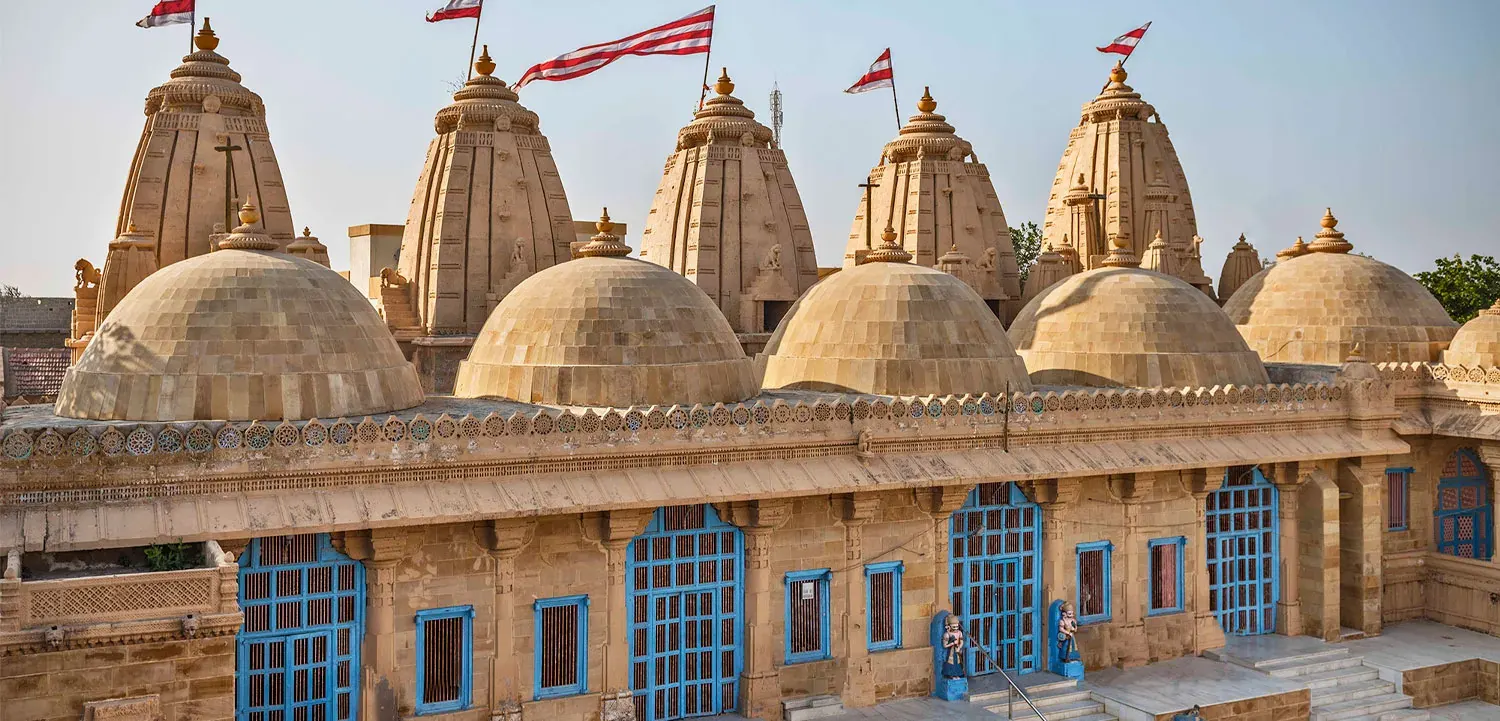
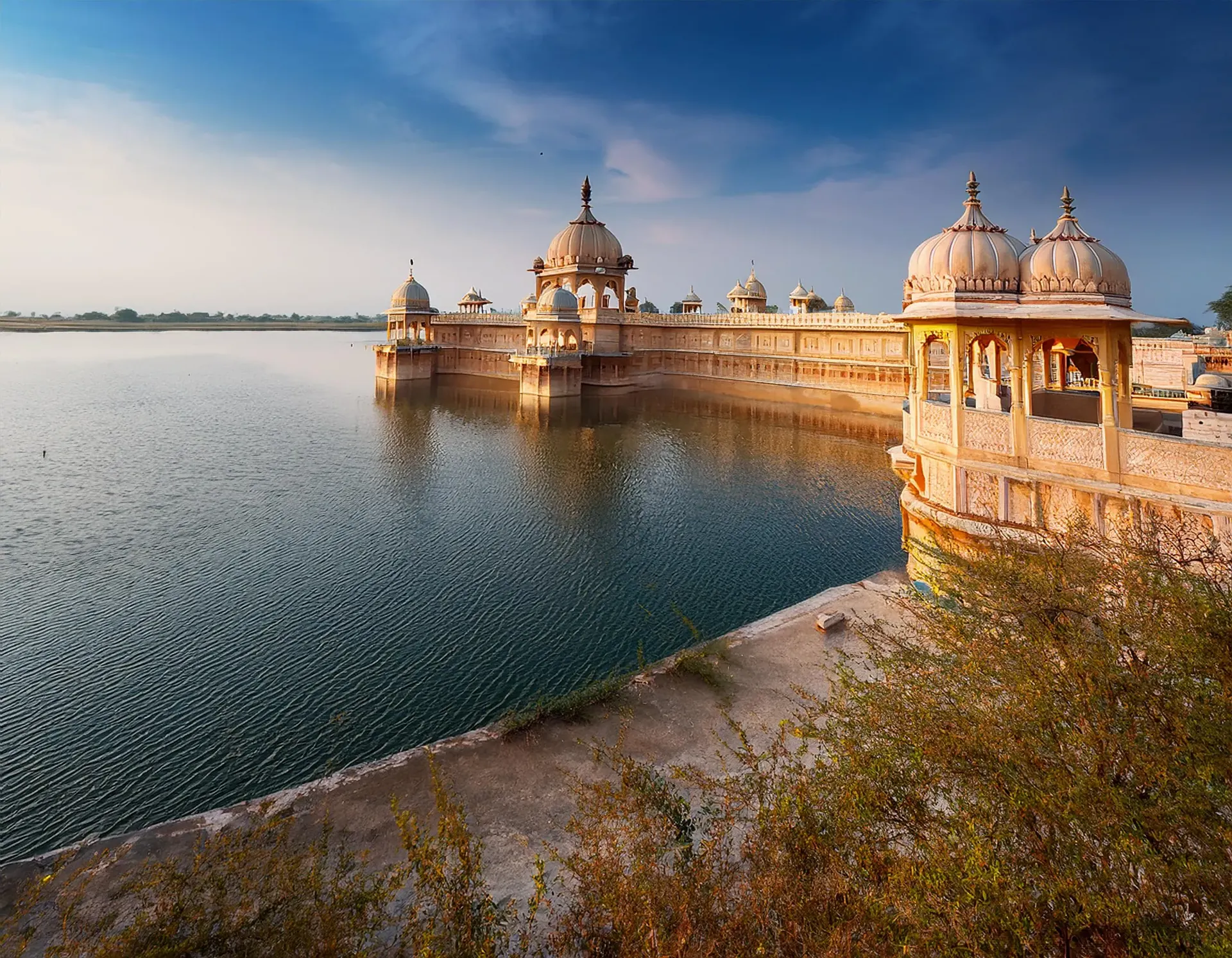
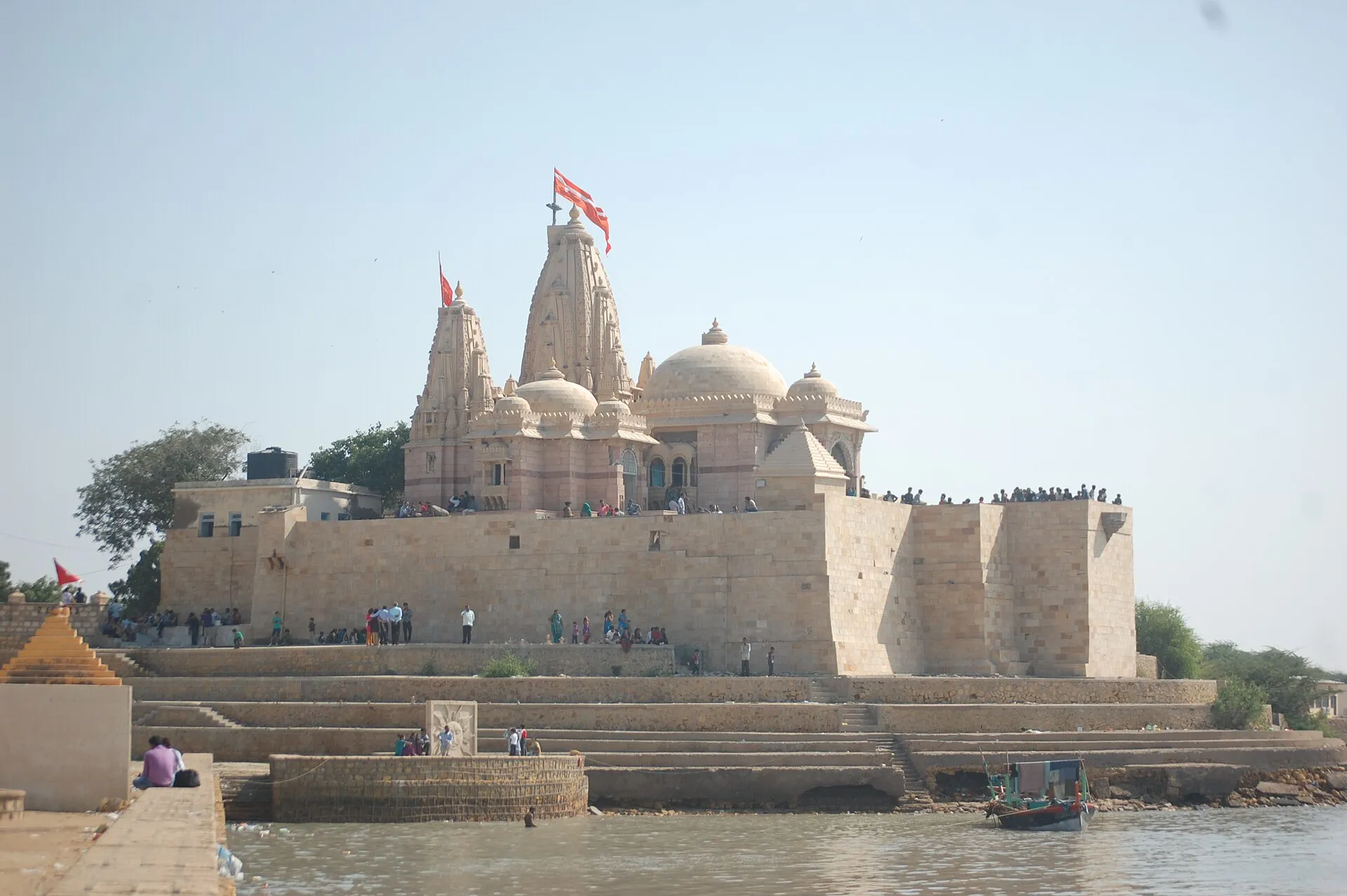
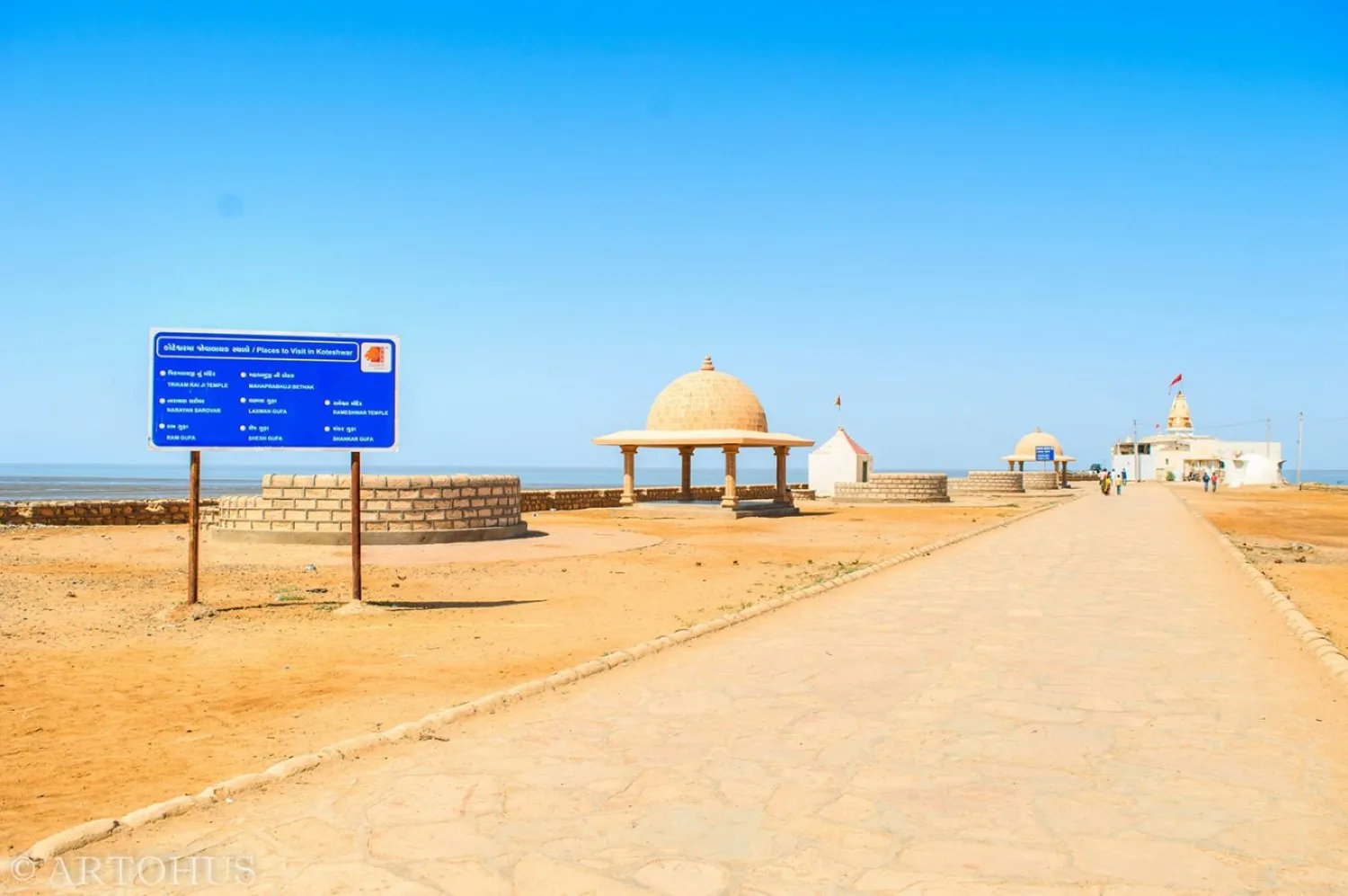
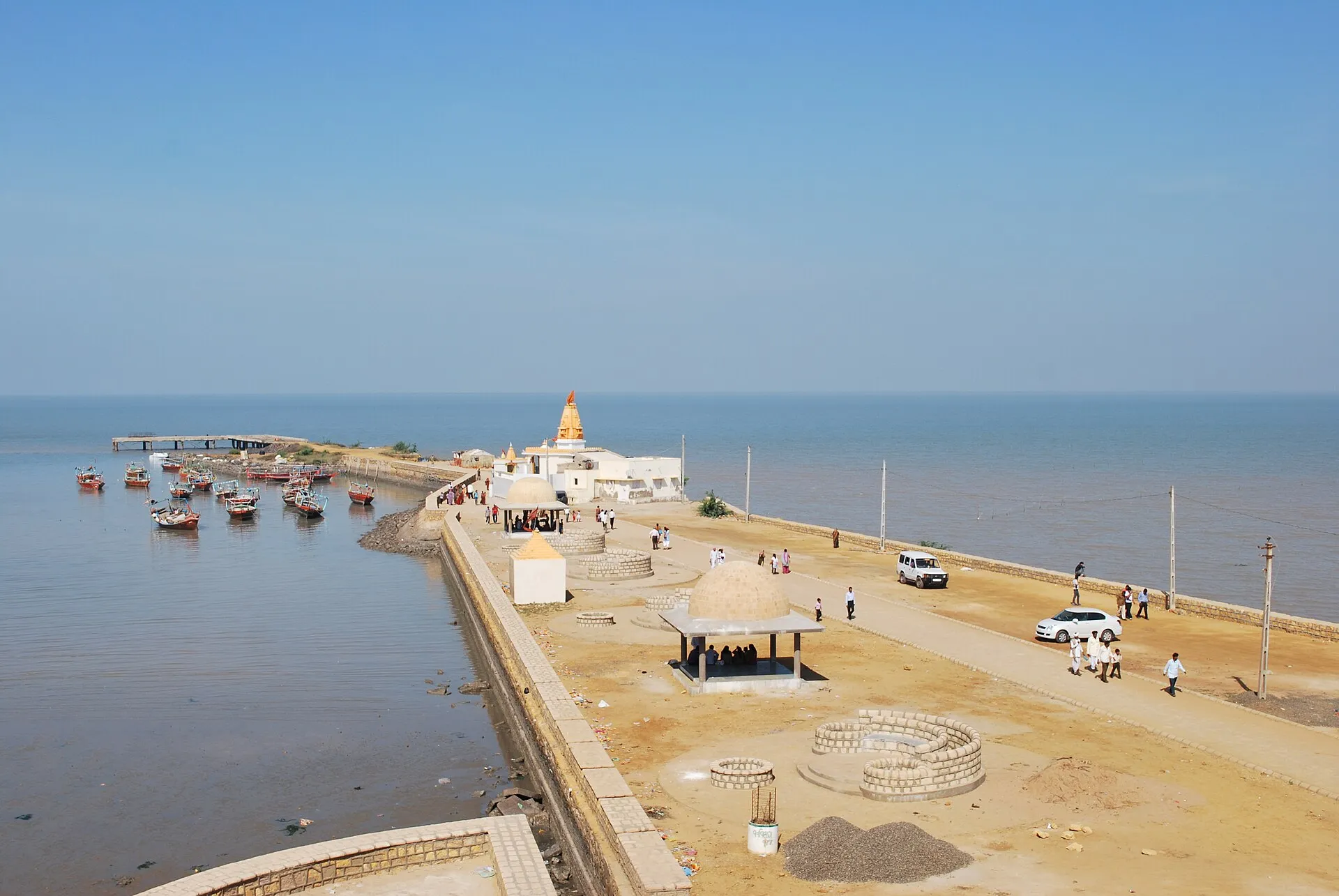
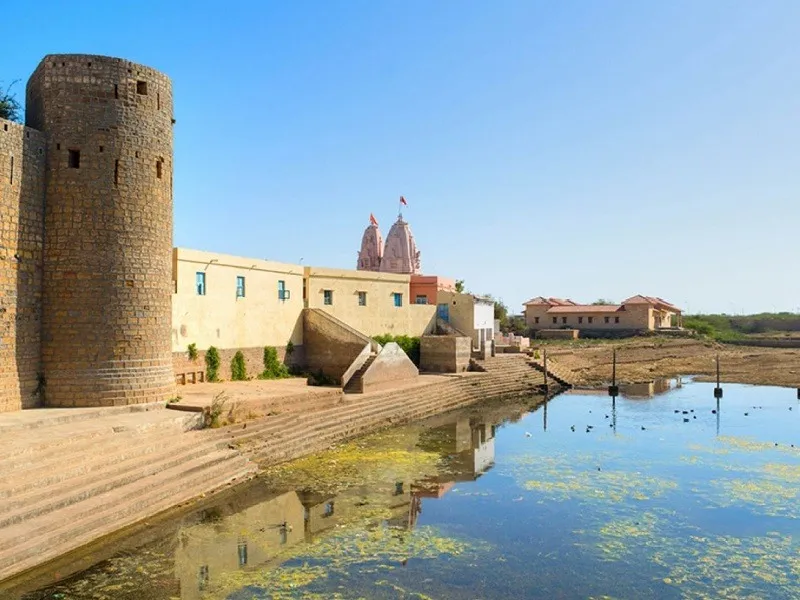
Narayan Sarovar and Koteshwar together form the ultimate spiritual and geographical boundary of Western Kutch. Narayan Sarovar is revered as one of Hinduism's five sacred lakes (Panch Sarovar), surrounded by ancient whitewashed temple ghats dedicated to Shri Trikamraiji and Laxminarayan. Just 4 km further along the coast sits Koteshwar Shiva Temple, perched dramatically on a high rocky cliff over the Arabian Sea at the westernmost land tip of India.
02
Who should visit
- Pilgrims & Spiritual Travelers: Perform sacred rituals at Panch Sarovar and offer prayers at Koteshwar Shiva Temple.
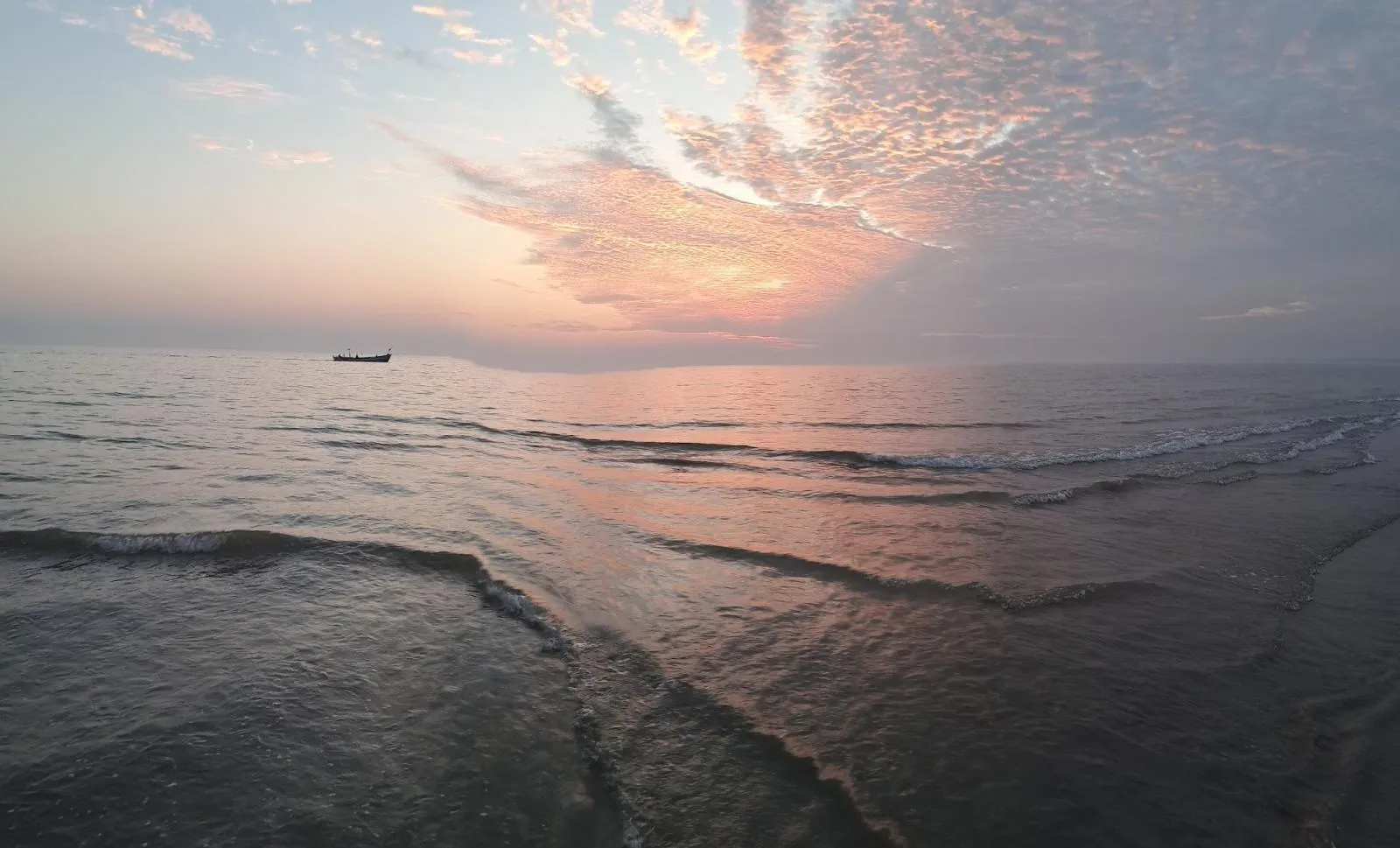
- Sunset & Sea Photographers: Experience the sunset over the Arabian Sea from the cliff-top Koteshwar temple.
- Wildlife & Wildlife Enthusiasts: Spot wild Chinkara gazelles, desert foxes, and migratory birds in Narayan Sarovar Wildlife Sanctuary.

03
How to reach
- From Bhuj: 150 km (approx. 2 hours 45 mins via SH-42 through Mata na Madh). Paved, scenic highway.
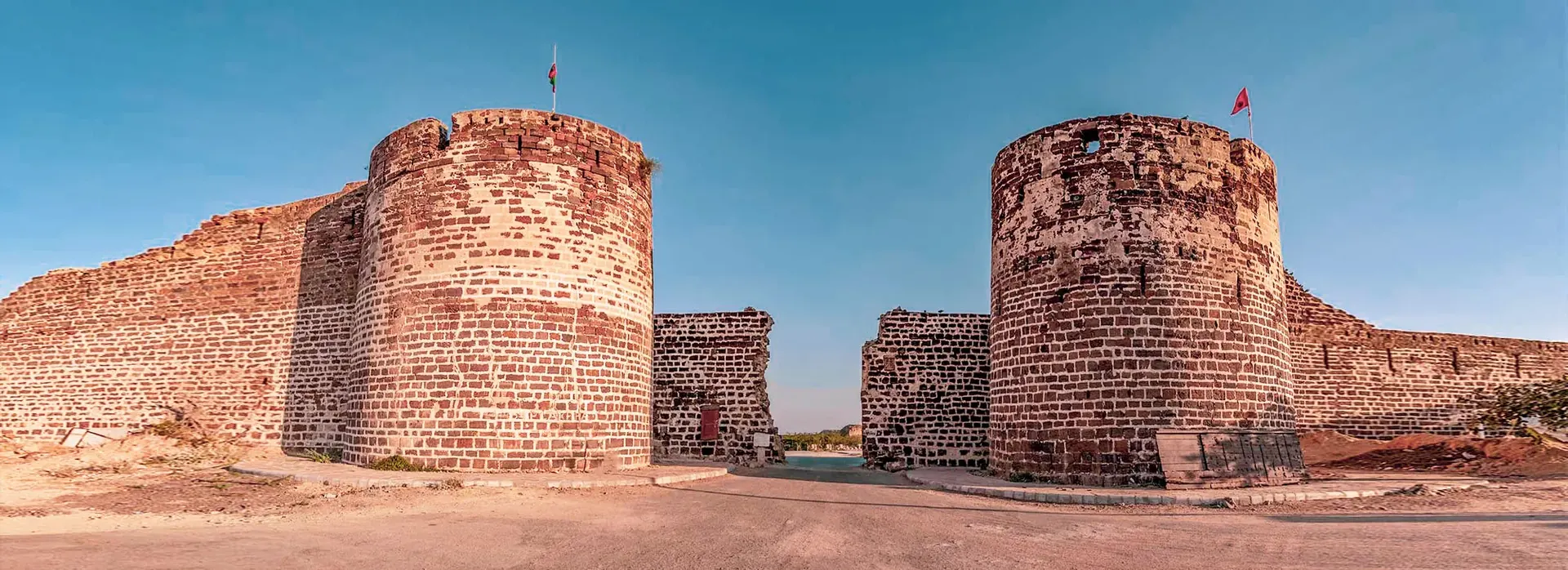
- From Lakhpat Fort: 35 km (approx. 40 mins south).
- Public Transport: GSRTC buses run daily from Bhuj ST Depot; private taxis are recommended for a seamless day trip.
04
Signature Landmarks & Experiences
- Koteshwar Shiva Temple Sunset: Stand on the westernmost sea cliff of India as the sun dips into the Arabian Sea behind the temple spire.
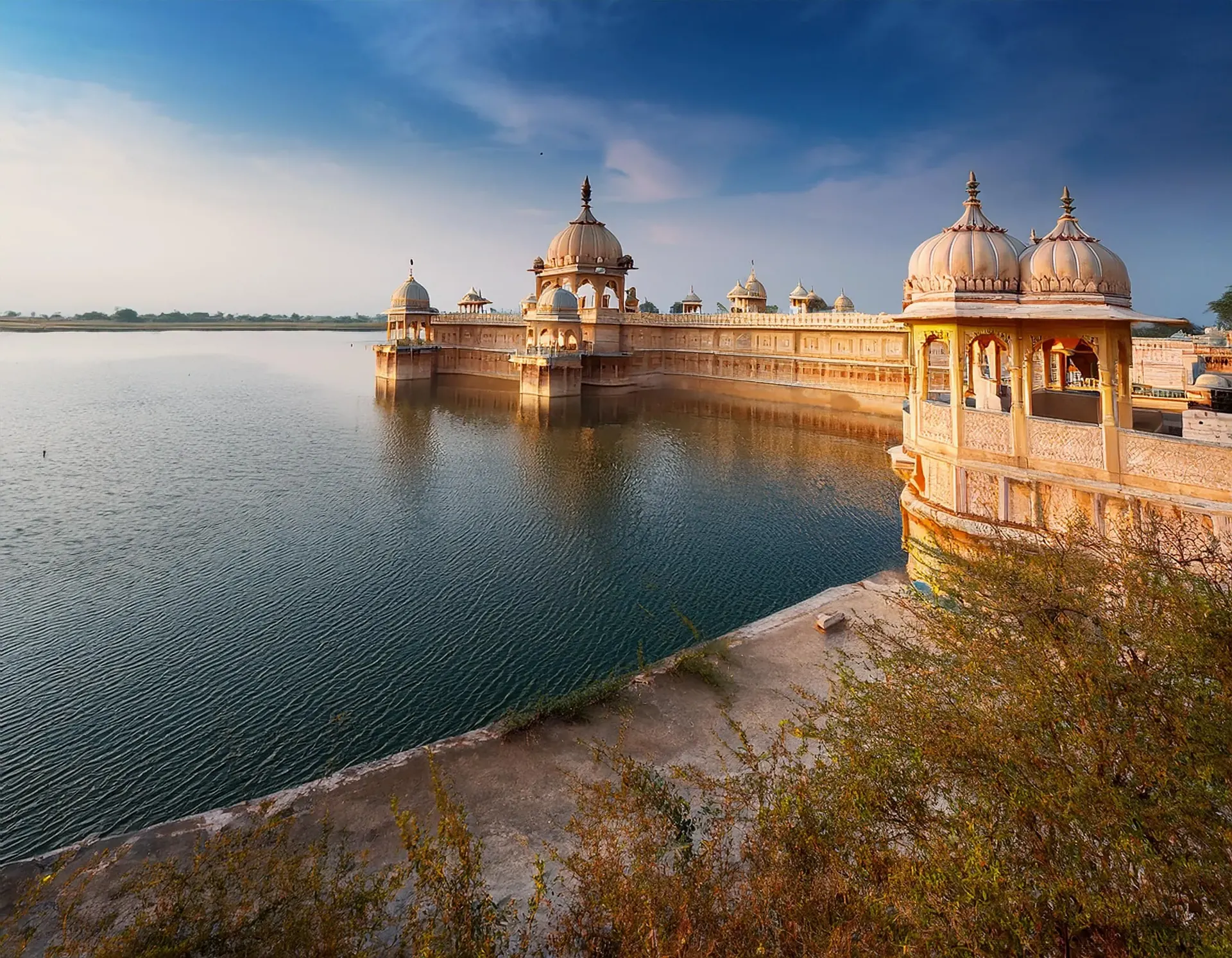
- Panch Sarovar Temple Ghats: Walk around the seven sacred stone tanks and whitewashed Vaishnav temples built by Maharao Deshalji's queen.
- Narayan Sarovar Wildlife Sanctuary: Drive through 444 sq km of thorn forest sheltering endangered Chinkara gazelles and desert raptors.
- BSF Coastal Outpost View: Gaze across Kori Creek towards international maritime waters monitored by BSF personnel.
05
Local tips & common mistakes
- Combine in One Day: Easily combined with Mata na Madh (95 km) and Lakhpat Fort (135 km) for a full Western Kutch day loop.
- Border ID Check: Carry government photo identification for security checks along coastal border roads.
- Temple Dress Code: Wear modest traditional attire suitable for sacred Hindu pilgrimage sites.
06
Food & local culture
- Temple Annakshetra: Free/subsidized wholesome vegetarian meals served at Narayan Sarovar temple dining halls.
Best time to visit
Pick your season
Winter (Optimal)October – March
Comfortable weather for coastal temple visits, wildlife spotting, and sunset photography.
Kartik Purnima FairNovember (Full Moon)
Annual religious festival drawing thousands of pilgrims for holy dips in the lake.
Suggested itinerary
Make the most of your visit
- Full-Day Western Kutch Pilgrimage Circuit
- 7:30 AM: Depart Bhuj for Mata na Madh (95 km)
- 9:30 AM: Darshan at Ashapura Mata Temple
- 11:30 AM: Explore Lakhpat Fort ramparts (45 km away)
- 2:30 PM: Drive to Narayan Sarovar & tour holy lake ghats
- 5:30 PM: Spectacular sunset at Koteshwar Shiva Temple on the sea cliff
- 7:00 PM: Return drive to Bhuj
FAQ
- What is the significance of Narayan Sarovar?
- Narayan Sarovar is one of Hinduism's five sacred lakes (Panch Sarovar), mentioned in ancient Puranic texts.
- What is Koteshwar Temple famous for?
- Koteshwar Shiva Temple is famous for being situated at the westernmost tip of India on a sea cliff overlooking the Arabian Sea.