Central Kutch
Chhari Dhand
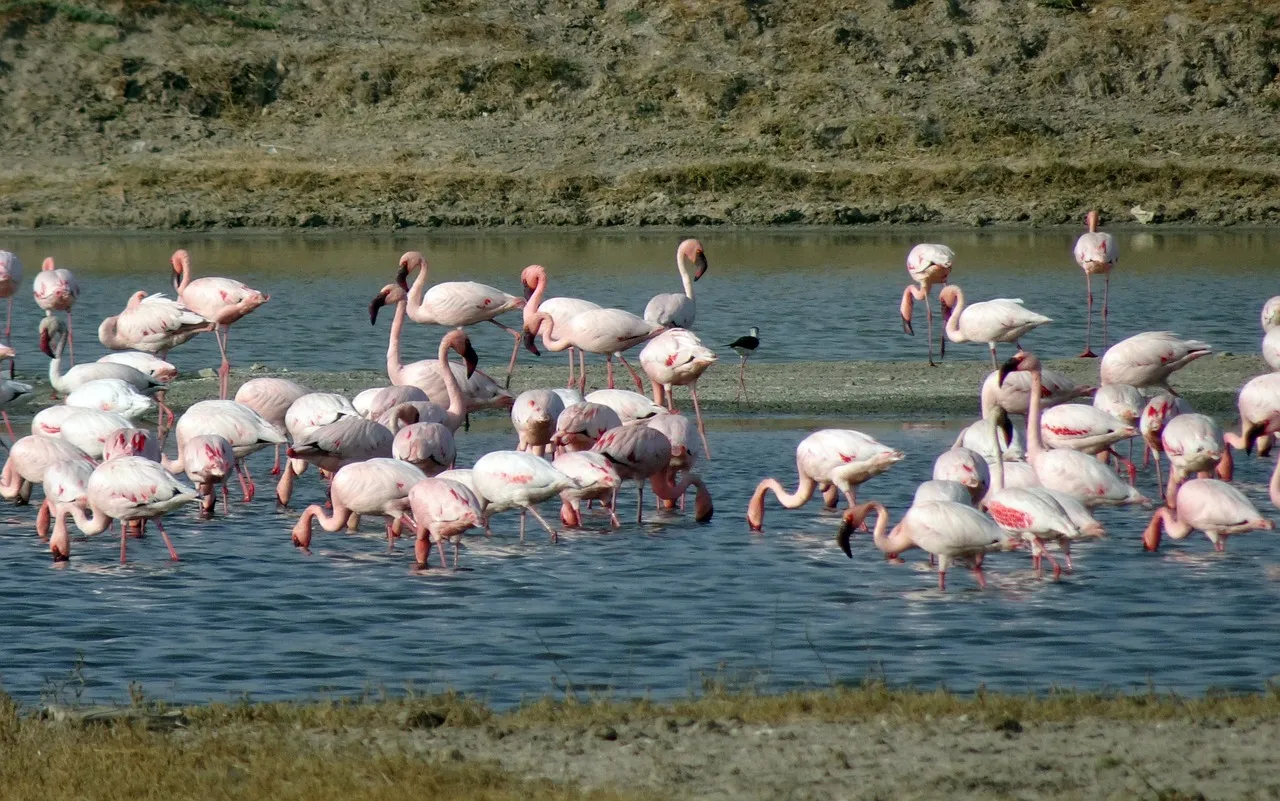
A seasonal wetland in Banni grasslands attracting thousands of winter migratory birds
At a glance
- Ideal forbirdwatchers, wildlife photographers & nature lovers
- Best timeNovember to February (winter migratory bird season)
- Ramsar candidate80 sq km seasonal wetland in Banni Grasslands
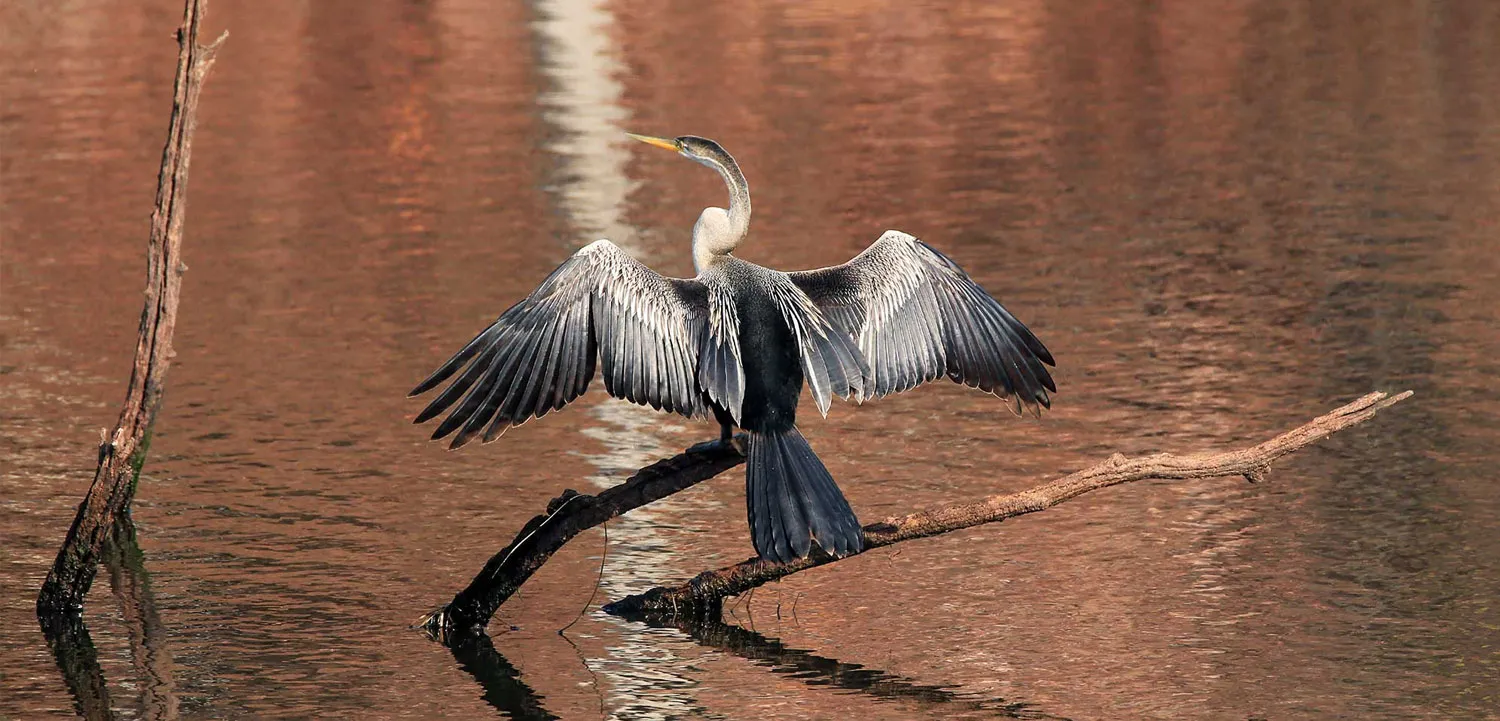
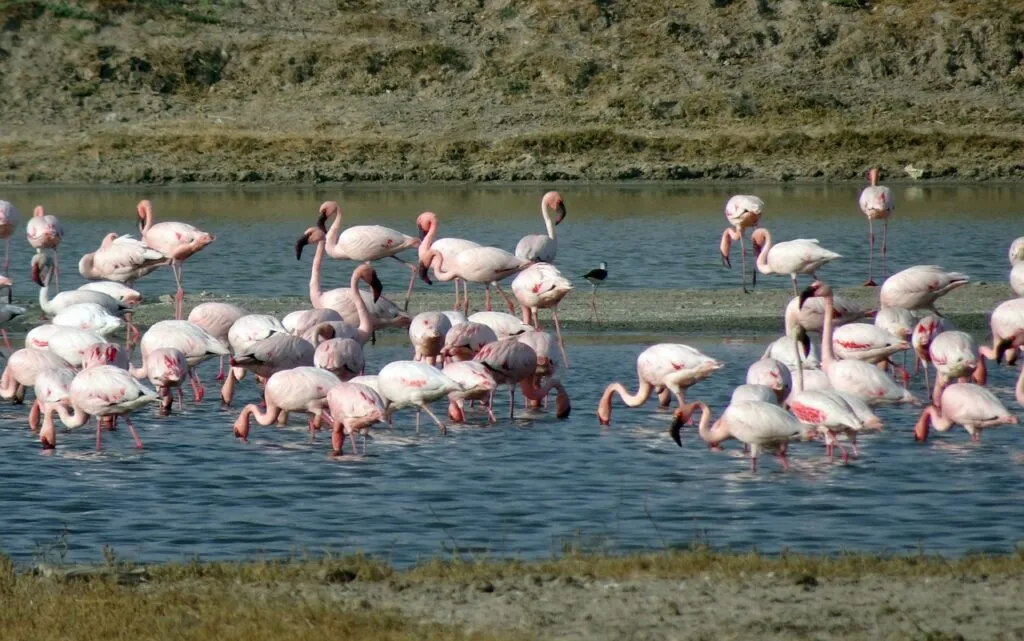
- Avian diversityhome to over 50,000 migratory cranes, pelicans & flamingos
- Rare speciesspot Common Cranes, Dalmatian Pelicans, Houbara Bustards & raptors
- Connectivity60 km north-west of Bhuj near Fulay village
01
Overview
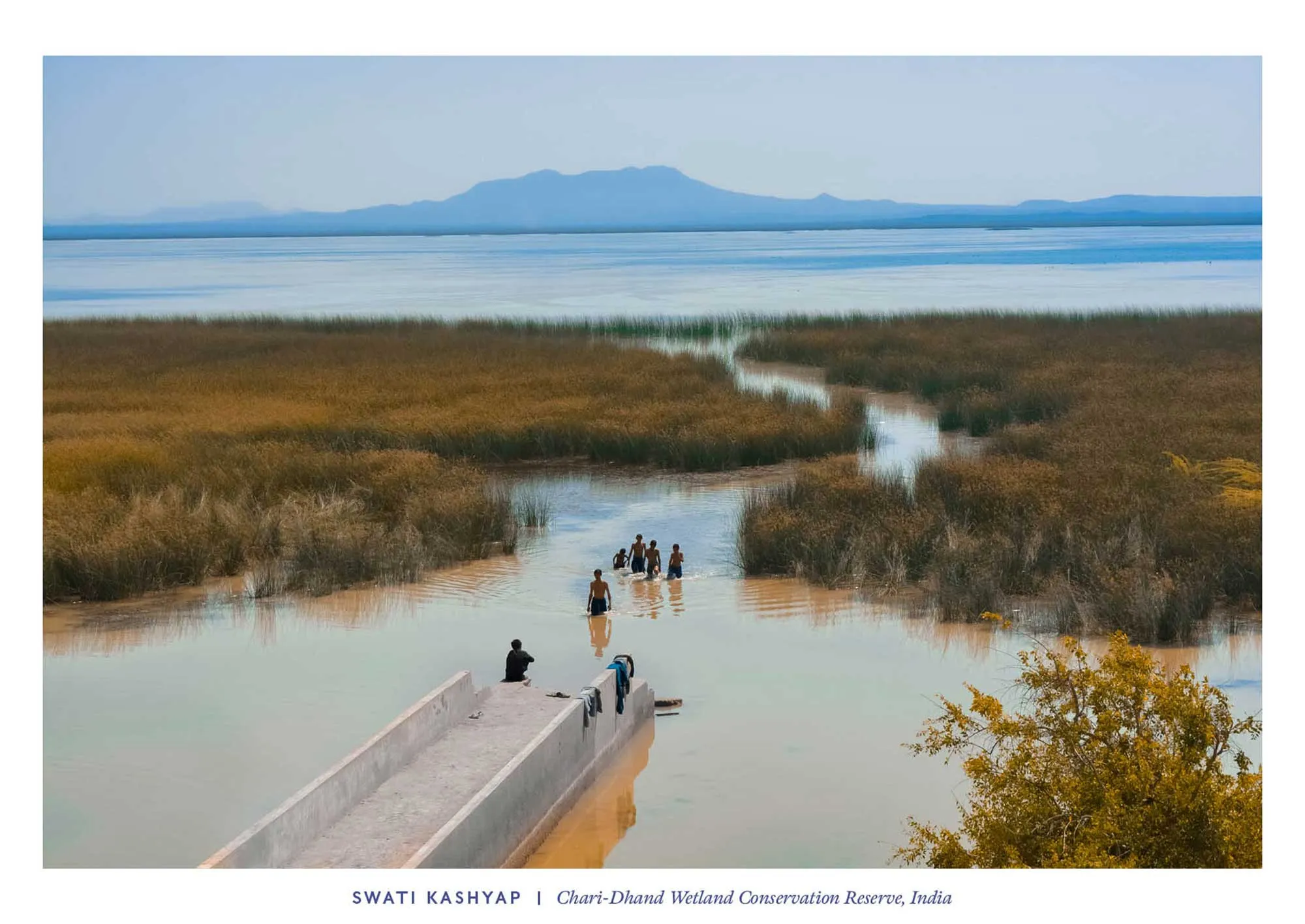
Chhari Dhand ('Chhari' meaning salty lake and 'Dhand' meaning shallow wetland) is Kutch's premier bird conservation reserve, situated inside the vast Banni Grasslands. Filled by seasonal monsoon rainfall, this 80-square-kilometer wetland transforms the arid landscape into a thriving oasis, attracting over 50,000 wintering migratory birds from Siberia, Central Asia, and Europe.
02
Who should visit
- Ornithologists & Birdwatchers: Observe huge wintering flocks of Common Cranes, Demoiselle Cranes, and Flamingos.
- Wildlife Photographers: Early morning golden light offers world-class bird flight and reflection photography.
- Eco-Tourists: Explore Asia's largest tropical grassland ecosystem (Banni) surrounded by pastoral Maldhari settlements.

03
How to reach
- From Bhuj: 60 km (approx. 1 hour 15 mins drive north-west via Nakhatrana/Fulay road).
- Last Mile Dirt Road: The final 8–10 km passes through dirt tracks across Banni Grassland.
- Recommended Vehicle: SUV or high-clearance car with a local guide.
04
Signature Landmarks & Experiences
- Early Morning Crane Flights: Watch thousands of Common Cranes take flight together at sunrise over the calm water.
- Chhari Dhand Watchtower: Climb the forest department observation tower for panoramic views across the wetland and grassland.
- Raptor & Bustard Spotting: Scan the thorn scrub for rare Montagu's Harriers, Tawny Eagles, and Houbara Bustards.
05
Local tips & common mistakes
- Best Viewing Hours: Arrive early between 6:30 AM and 9:30 AM when birds are actively feeding near water edges.
- Binoculars & Zoom Lenses: Bring high-power binoculars or 400mm+ telephoto camera lenses as birds keep a safe distance.
- No Commercial Stalls: Zero shops or food stalls at the reserve — carry drinking water and breakfast snacks.
06
Food & local culture
- Maldhari Hospitality: Learn about the pastoral Maldhari community and their famous Banni buffalo cattle herding.
Best time to visit
Pick your season
Winter (Peak)November – February
Peak migratory bird density with pleasant early morning temperatures.
Dry SummerApril – June
Wetland dries up completely; birds depart and sanctuary is inactive.
Suggested itinerary
Make the most of your visit
- Early Morning Birding Excursion
- 5:45 AM: Depart Bhuj north-west towards Fulay village
- 7:00 AM: Arrive at Chhari Dhand Watchtower for sunrise birding
- 9:30 AM: Explore Banni Grasslands for raptors & desert foxes
- 11:30 AM: Visit Nirona craft village on the return leg to Bhuj
FAQ
- What is the best month to visit Chhari Dhand?
- December and January offer the maximum concentration of migratory cranes, pelicans, and waterfowl.
- Are there guides available at Chhari Dhand?
- Local birding guides can be hired from Bhuj or Fulay village to locate active birding pockets in the sanctuary.