Eastern Kutch
Dholavira
A 4,500-year-old Harappan metropolis on an island in the salt desert
At a glance
- Ideal forhistory lovers, archaeology buffs & dark sky stargazers
- Best timeOctober to March (mild winter weather)
- Famous for4,500-year-old Indus Valley metropolis & ancient water reservoirs
- World HeritageUNESCO World Heritage site inscribed in 2021
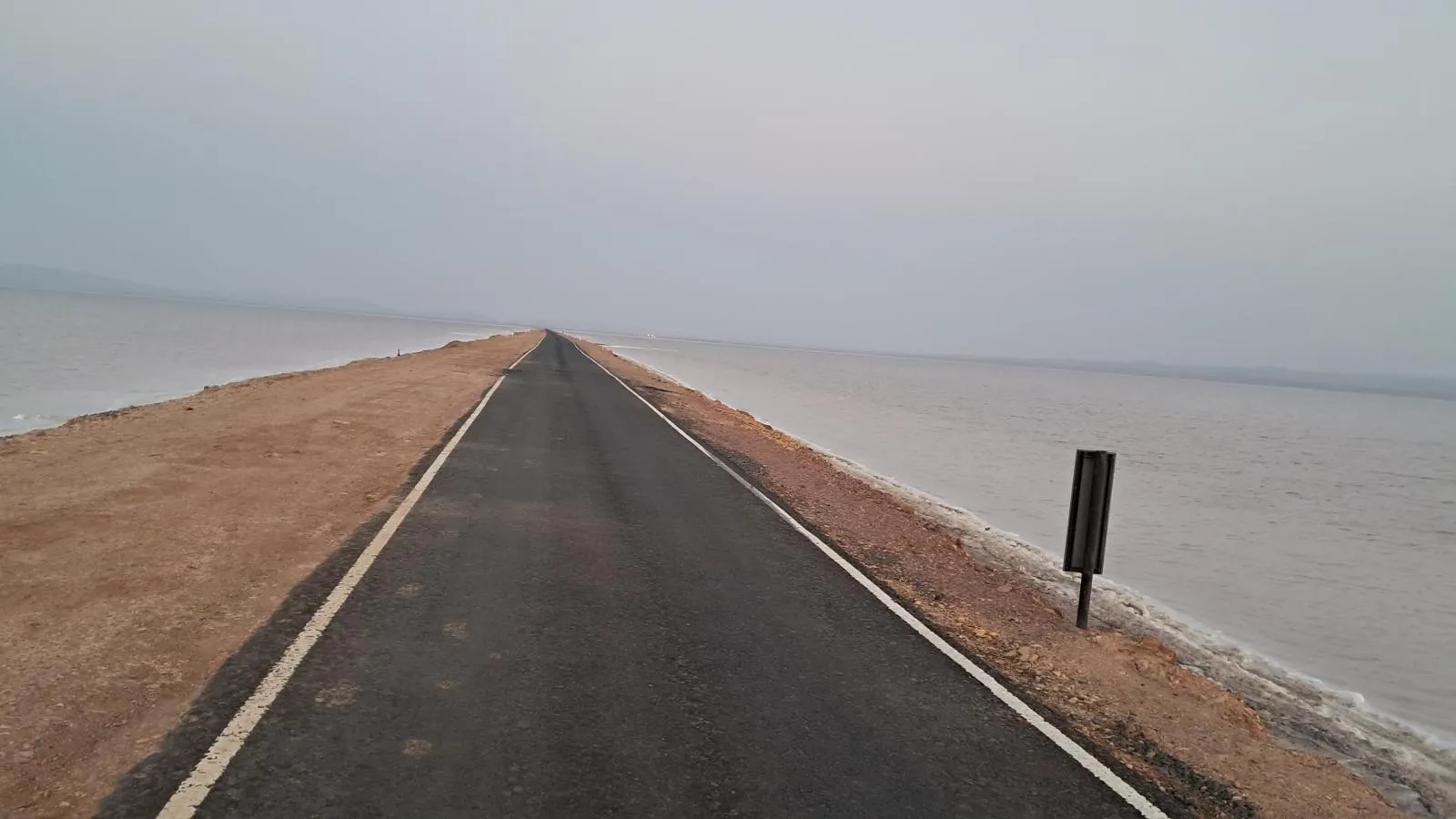
- Scenic routeaccessed via the breathtaking 30-km 'Road to Heaven' causeway
- Connectivity220 km from Bhuj on Khadir Bet island in the Great Rann
01
Overview
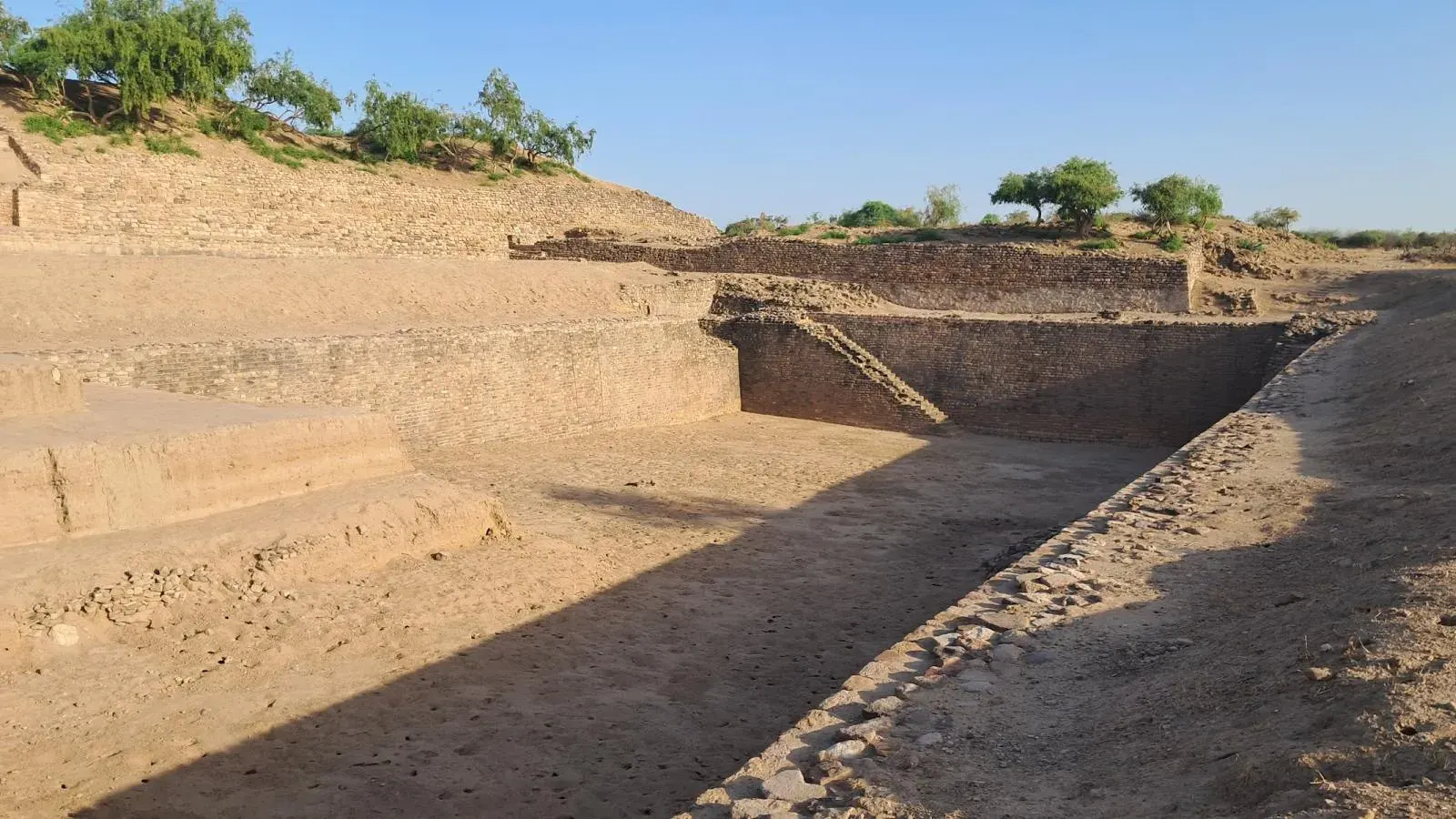
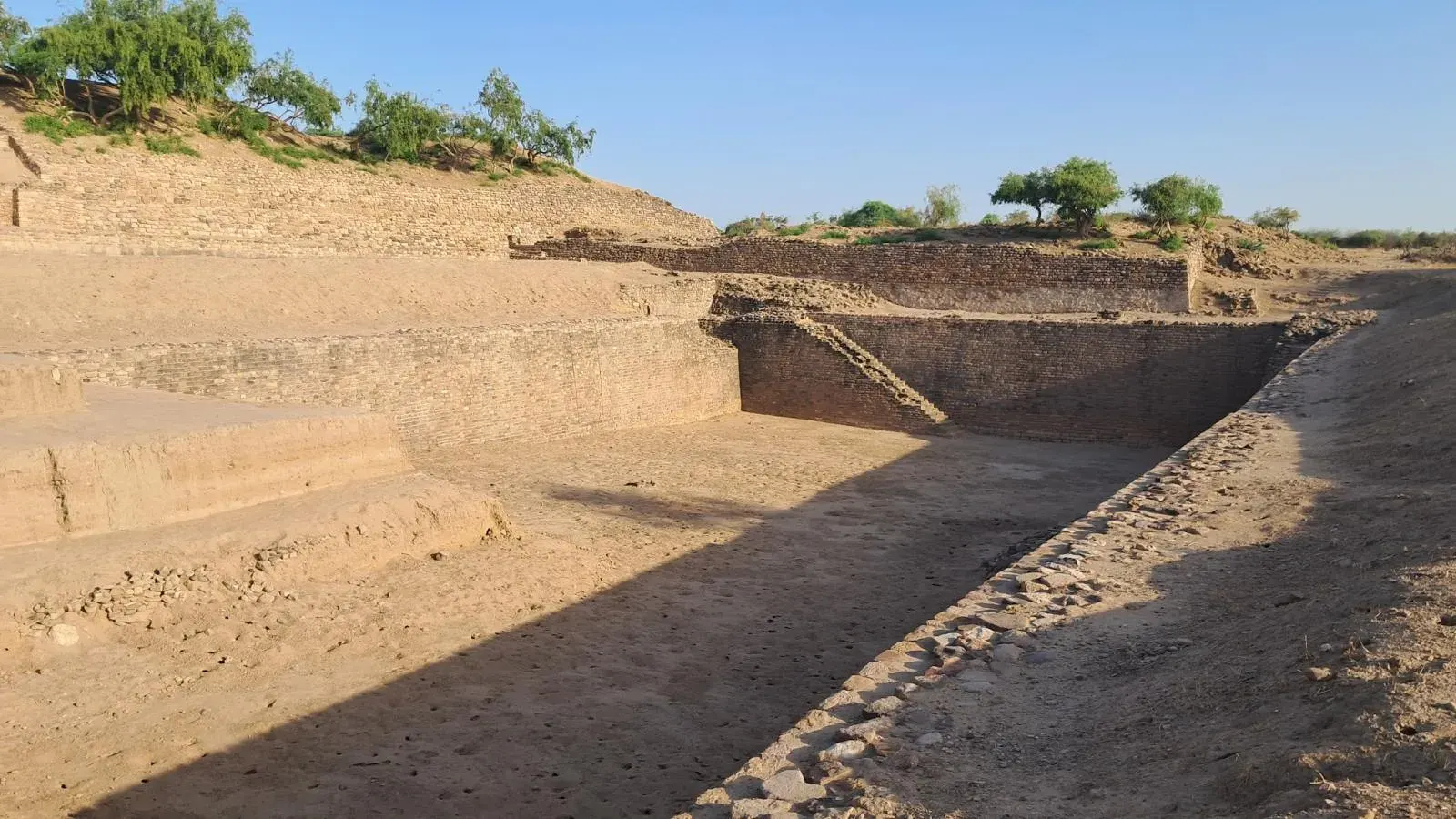
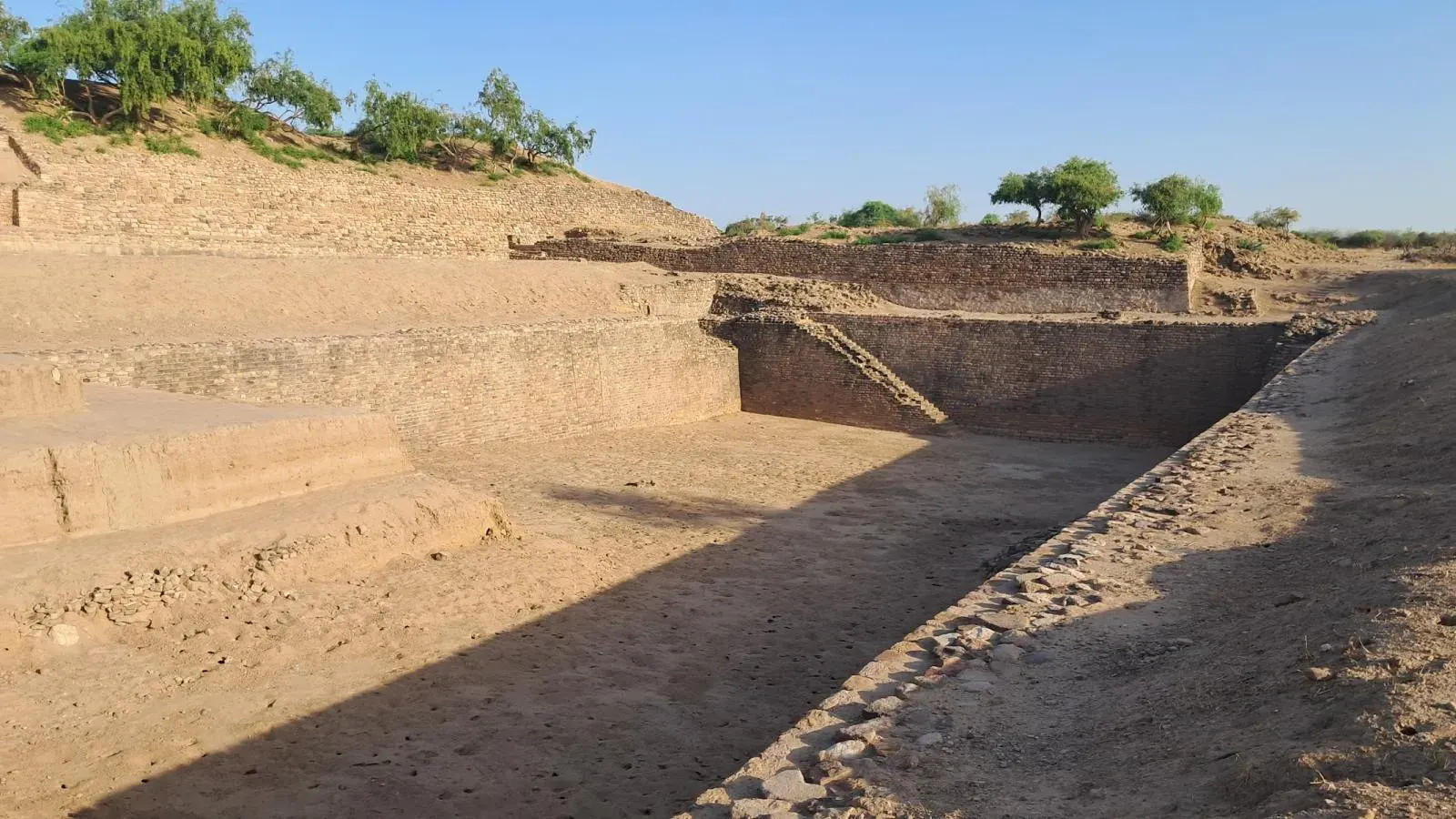
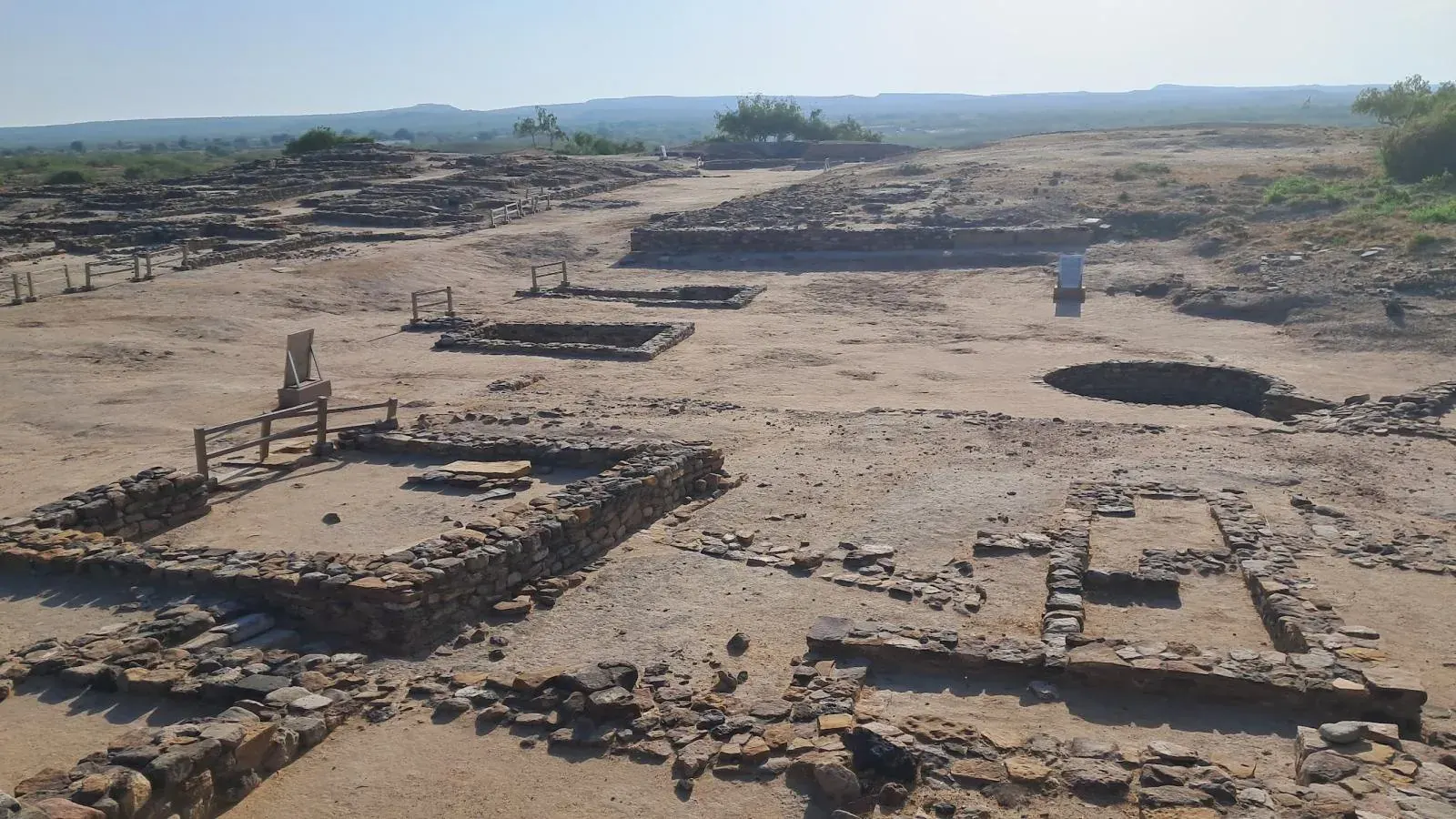
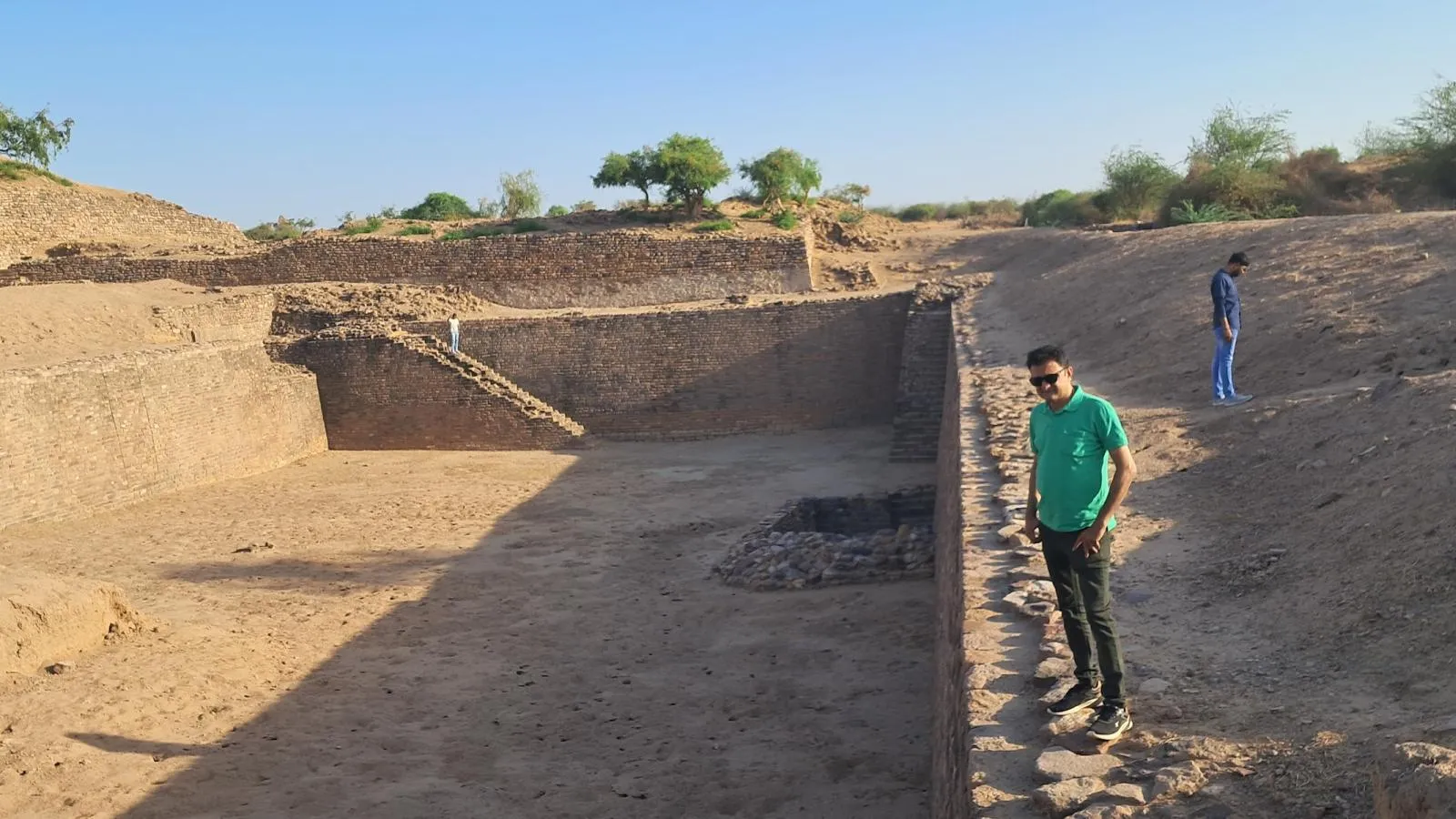
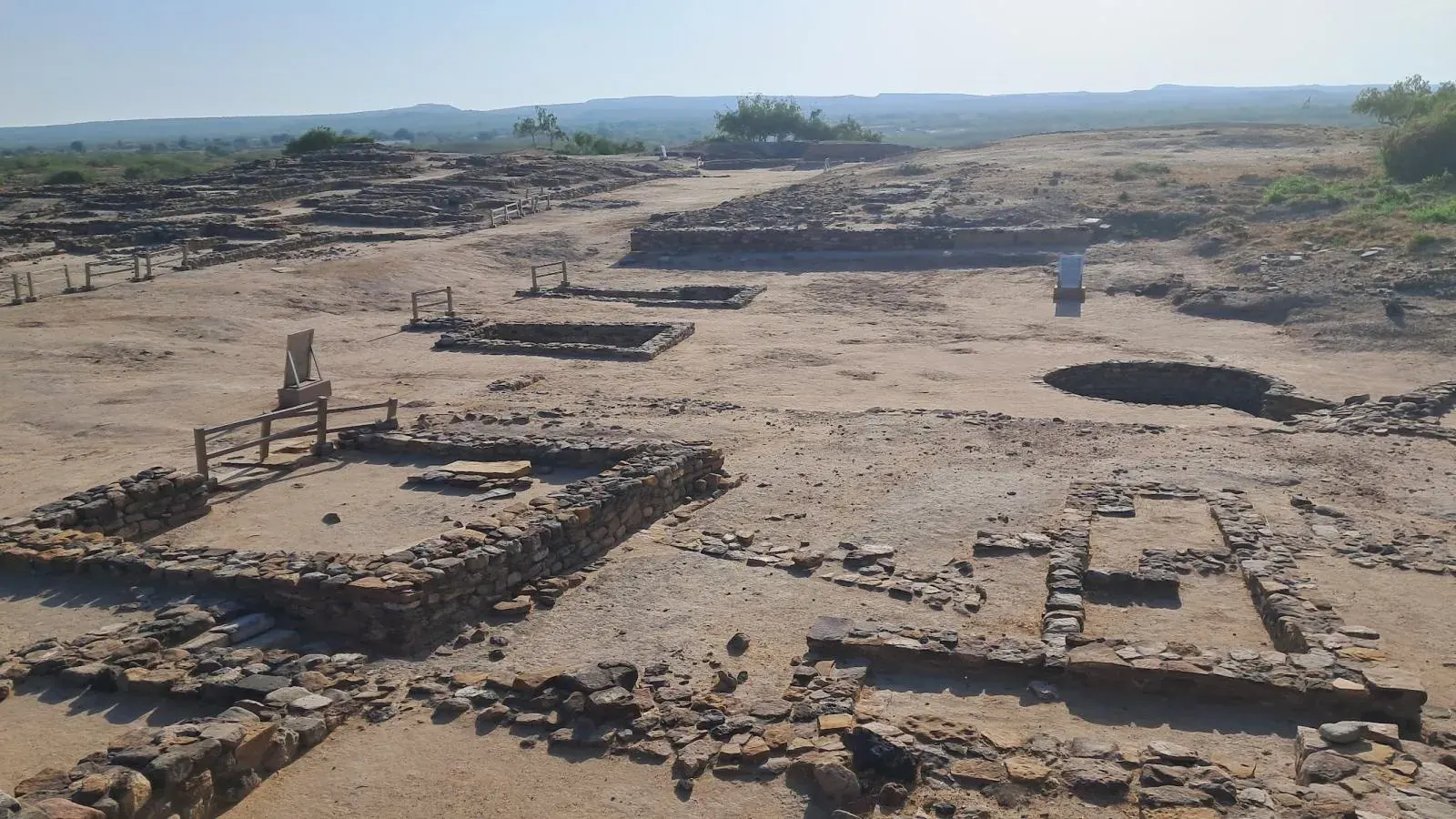
Dholavira is one of the five largest and most prominent Harappan (Indus Valley Civilisation) metropolises in South Asia. Inscribed as a UNESCO World Heritage Site in 2021, this 4,500-year-old planned city on Khadir Bet island features sophisticated urban planning, massive stone citadels, step-well reservoirs carved from bedrock, and an ancient ten-sign signboard that remains one of the world's oldest inscriptions.
02
Who should visit
- Archaeology & History Enthusiasts: Explore 4,500-year-old Harappan city ruins, citadels, and stone masonry.
- Road Trippers & Photographers: Experience the famous 'Road to Heaven' salt causeway drive.
- Astronomy & Dark Sky Observers: Khadir Bet island offers some of the darkest, clearest night skies in western India.
- Nature & Fossil Hunters: Visit the nearby Jurassic Fossil Park containing petrified wood fossils.

03
How to reach
- From Bhuj: 220 km (approx. 3.5 to 4 hours drive via Rapar or the new Road to Heaven highway).
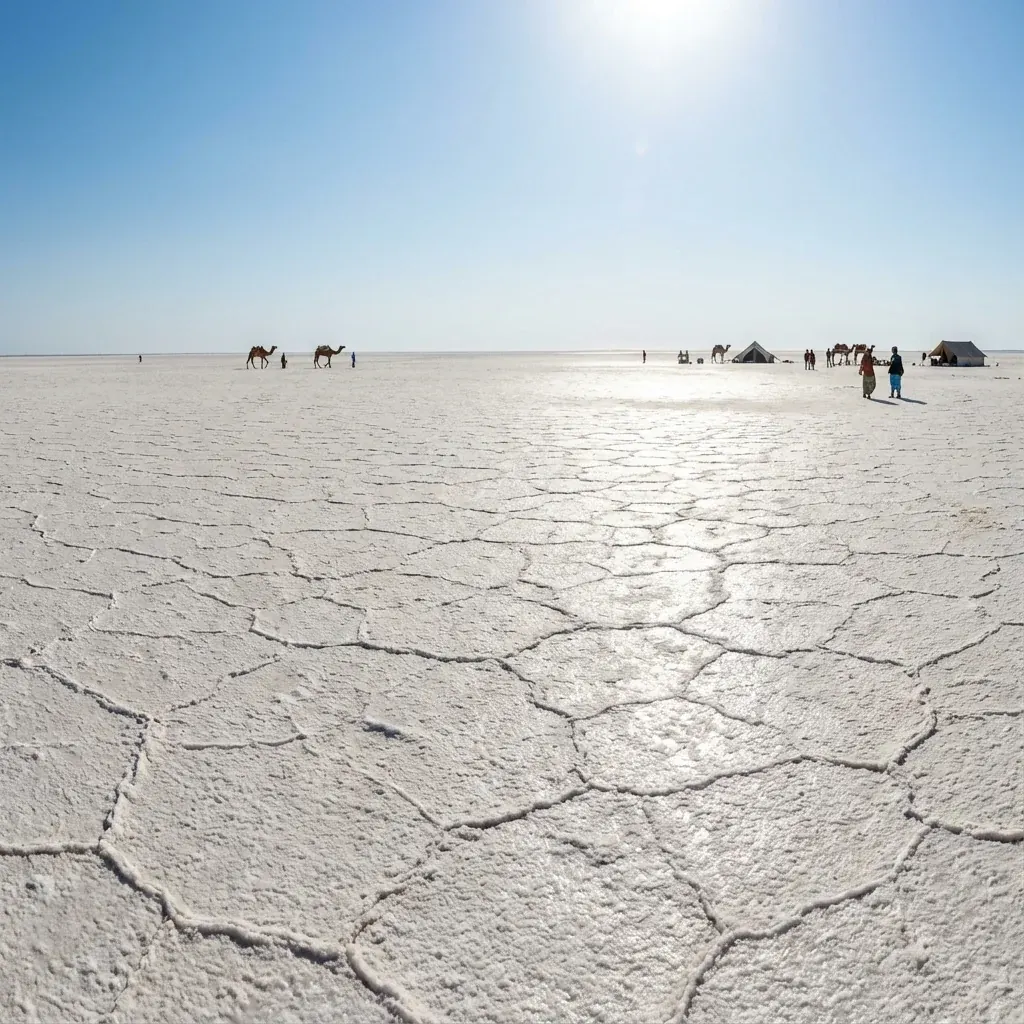
- Via Road to Heaven: Drive the spectacular 30 km straight asphalt causeway cutting directly across the white salt flats.
- Recommended Vehicle: Personal car, hired taxi, or private SUV for comfortable long-distance travel.
04
Signature Landmarks & Experiences
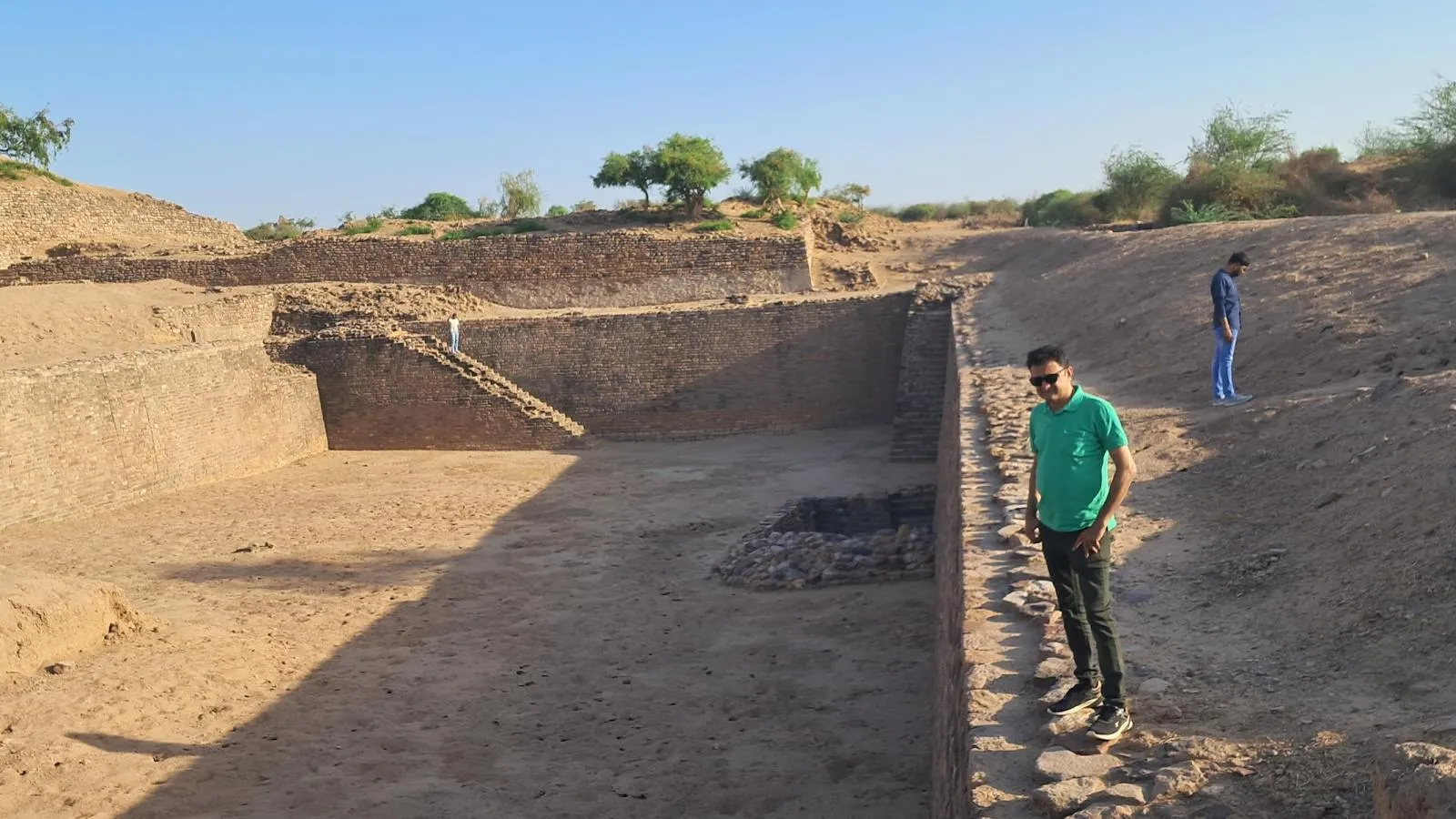
- Harappan Excavation Citadel & Reservoirs: Tour the 3-tiered city layout (Citadel, Middle Town, Lower Town) and inspect massive stone water-harvesting reservoirs.
- The Ten-Sign Signboard: View the famous Harappan script inscription found at the northern city gate.
- Archaeological Museum Dholavira: Displays excavated Harappan pottery, copper seals, terracotta beads, animal bones, and games.
- Wood Fossil Park (Bhanjada Bet): Located 10 km from the main ruins, featuring 170-million-year-old petrified tree trunks from the Jurassic era.
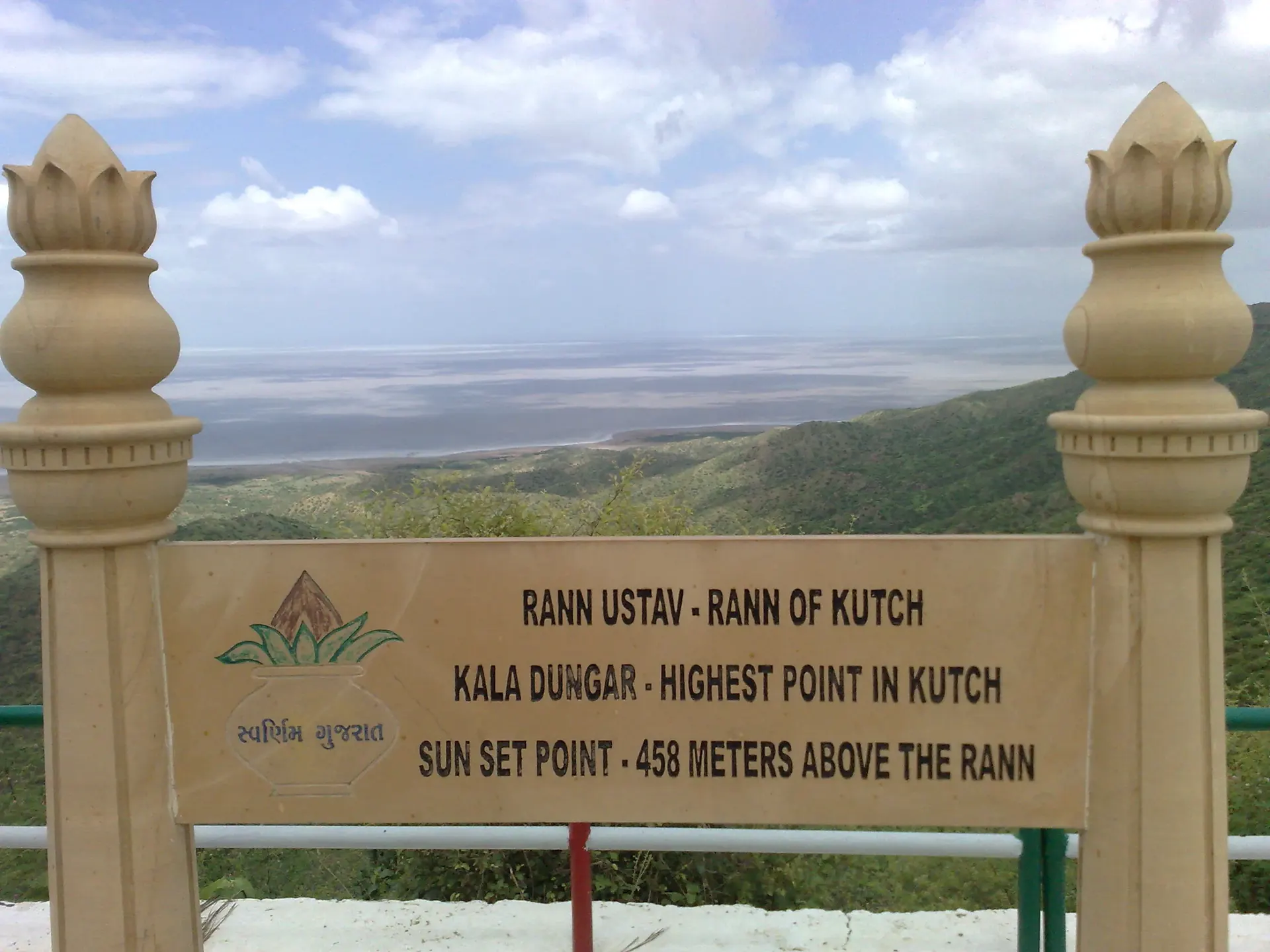
- Sunset Viewpoint at Khadir Bet: Watch the sun set over the vast salt desert surrounding the island.
05
Local tips & common mistakes
- Hire an Official Archaeological Guide: Employ an ASI-certified guide at the site entrance to truly understand Harappan engineering.
- Overnight Stay Advised: Given the 220 km distance from Bhuj, an overnight stay at Toran Resort Dholavira or local homestays is highly recommended.
- Fuel & ATM Warning: Fill your vehicle's fuel tank at Rapar or Balasar — fuel pumps and ATMs on Khadir Bet island are limited.
06
Food & local culture
- Home-cooked Kathiawadi Thali: Taste traditional Gujarati/Kutchi thalis, rotla, and fresh buttermilk served at local homestays.
Best time to visit
Pick your season
Winter (Peak)October – March
Cool, pleasant temperatures ideal for open-air archaeological exploration.
SummerApril – June
Extremely hot open desert conditions (38°C–44°C). Avoid mid-day visits.
Suggested itinerary
Make the most of your visit
- 2-Day Dholavira & Road to Heaven Expedition
- Day 1 Morning: Depart Bhuj & drive the Road to Heaven causeway across the salt flats
- Day 1 Afternoon: Check into Dholavira hotel/resort & tour ASI Museum
- Day 1 Evening: Sunset at Wood Fossil Park & stargazing under dark skies
- Day 2 Morning: Guided sunrise tour of Dholavira Citadel & Harappan Water Reservoirs
- Day 2 Afternoon: Return drive to Bhuj
FAQ
- Why is Dholavira famous?
- Dholavira is a UNESCO World Heritage Site featuring a 4,500-year-old Harappan city with the world's oldest stone water-harvesting system.
- Is Dholavira reachable via the Road to Heaven?
- Yes! The new direct highway connecting Khavda to Dholavira (Road to Heaven) cuts travel distance from Bhuj significantly.